
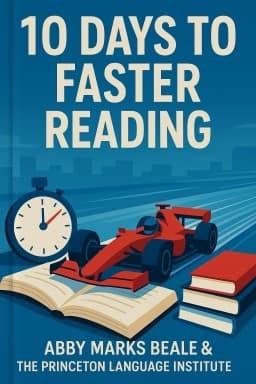
From Overwhelmed to Empowered: How Speed Reading Can Transform Your Career and Life
Beat Information Overload and Gain an Edge in Work, Study, and Life

Beat Information Overload and Gain an Edge in Work, Study, and Life
Are you drowning in a sea of information? In the digital age, the average professional reads hundreds of emails, dozens of reports, and countless articles each week. Students face mountains of textbooks and research papers. The result? Overwhelm, stress, and a constant feeling of falling behind.
But what if you could turn this flood of information into a manageable stream, and even enjoy the process? That’s the promise of speed reading—a set of strategies that can help you take control, boost your productivity, and transform your career and life.
Abby Marks Beale’s approach starts with mindset. Instead of seeing reading as a chore, view it as an opportunity to learn, grow, and get ahead. Next, prioritize your reading list. Not all material deserves equal attention. Learn to sort documents by importance, skimming less critical items and diving deeper into what matters most.
In the workplace, speed reading can mean the difference between keeping up and falling behind. Professionals who master these techniques report feeling less stressed, more prepared for meetings, and more confident in their decisions. Students who use speed reading strategies find it easier to manage heavy course loads and retain information for exams.
Key strategies include previewing material, using pacers, taking margin notes, and reviewing regularly. But perhaps the biggest benefit is the sense of empowerment that comes from knowing you can handle whatever comes your way.
Speed reading isn’t just for work. Lifelong learners use it to explore new topics, read more for pleasure, and stay mentally sharp. As you practice, you’ll discover that reading faster leads to greater curiosity, creativity, and joy.
Don’t let information overload hold you back. With speed reading, you can move from overwhelmed to empowered—and unlock new opportunities in every area of your life.
Citations: 10 Days to Faster Reading by Abby Marks Beale, The Complete Idiot’s Guide to Speed Reading, Blinkist Magazine, and modern workplace studies.
Want to explore more insights from this book?
Read the full book summary