
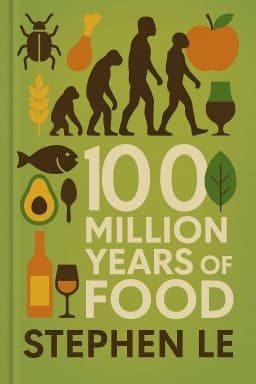
How Our Hormones and Metabolism Betray Us: The Hidden Science in 100 Million Years of Food
Unveiling the hormonal secrets behind obesity, cancer, and chronic diseases linked to diet.

Obesity, diabetes, and cancer rates have soared in recent decades, yet the solutions remain elusive. Stephen Le’s "100 Million Years of Food" sheds light on the intricate hormonal and metabolic mechanisms at play, revealing why modern diets and lifestyles often betray our biology.
Central to this story are hormones like insulin and insulin-like growth factor 1 (IGF-1), which regulate growth, energy storage, and cellular repair.
Exercise, often recommended for weight loss, can paradoxically increase appetite and reduce basal metabolic rate, making calorie balance more complicated than commonly believed. Our ancestors’ consistent moderate activity contrasts sharply with modern sedentary habits punctuated by intense workouts.
Understanding these metabolic nuances shifts the focus from calorie counting to holistic lifestyle changes—prioritizing diet quality, movement patterns, and stress management. Aligning with ancestral dietary patterns, including moderate meat intake and traditional plant foods, supports healthier hormonal regulation.
This knowledge empowers us to break free from chronic disease cycles and reclaim metabolic health by respecting the evolutionary design of our bodies.
Want to explore more insights from this book?
Read the full book summary