
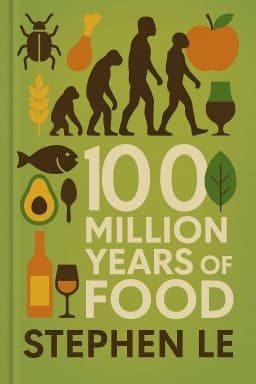
Why Your Modern Diet Might Be Making You Sick: Insights from 100 Million Years of Food
Explore the evolutionary causes behind today's diet-related illnesses and how to fix them.

In an age of unprecedented food abundance, why are obesity, diabetes, and chronic diseases skyrocketing? The answer lies in the evolutionary mismatch between our ancient biology and modern diets. "100 Million Years of Food" by Stephen Le reveals how our bodies are still adapted to the foods and lifestyles of our distant ancestors, not the processed, sedentary world we inhabit today.
Our ancestors walked six to nine miles daily, regulating hormones like IGF-1 that balance growth and longevity. Today, most people walk less than two miles and spend hours sitting, disrupting these vital processes. Exercise, while beneficial, can paradoxically increase hunger and lower metabolism, making weight loss difficult.
The modern diet’s heavy reliance on refined sugars, fried foods, and processed oils skews the delicate balance of omega-3 to omega-6 fatty acids, promoting inflammation and disease. Fruits, once seasonal and limited, are now available year-round and in sugary juices, overwhelming our metabolic systems. Meat consumption, while historically linked to brain growth and fertility, is often excessive and accompanied by dairy, contributing to hormone-related illnesses.
Fish, rich in omega-3s, are under threat from overfishing and pollution, while plant foods laden with natural toxins are often stripped of their traditional preparation methods, reducing their nutritional value and safety. Lactose intolerance remains common, yet milk is heavily promoted, causing digestive and inflammatory issues for many.
Restoring health requires reconnecting with ancestral patterns: moving regularly, eating balanced diets emphasizing traditional foods, moderating meat and dairy according to age, and embracing sustainable protein sources like insects. Understanding the complex hormonal and metabolic pathways affected by diet and lifestyle empowers better choices.
By bridging evolutionary science with practical advice, this book and its insights offer a roadmap to combat modern diet-related diseases and reclaim vitality.
Want to explore more insights from this book?
Read the full book summary