
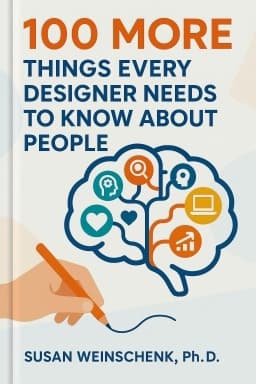
The Hidden Science of Visual Preference: Why Curves, Symmetry, and Stories Win Hearts
Unlocking the Secrets of What Makes Design Irresistible

Step into any modern app or website, and you’ll notice a trend: rounded corners, soft gradients, and balanced layouts. But this isn’t just a style choice—it’s rooted in how our brains are wired. Studies show that people have a deep-rooted preference for curves over sharp angles, and that symmetrical designs are universally seen as more attractive and trustworthy.
Brain scans reveal that curved objects activate the visual cortex more than angular ones, evoking feelings of safety and comfort. This is why so many top brands use round logos and why smartphones feel better in the hand when they have smooth edges.
But there’s more: our peripheral vision, though blurry, plays a huge role in guiding our attention. Designers who understand this place important cues at the edges of screens, subtly directing users without overwhelming them. For example, a soft highlight or animation on the side can draw the eye more effectively than a bold headline.
And then there’s the power of story. Neuroscience shows that stories release chemicals like cortisol and oxytocin, making us pay attention and feel empathy. That’s why a compelling brand story can do more to win loyalty than any list of features.
By blending curves, symmetry, and narrative, you can create designs that don’t just look good—they feel right, stick in memory, and inspire action. Ready to design for the brain, not just the eye?
Want to explore more insights from this book?
Read the full book summary