
Why Most Motivation Advice Fails—and What Actually Works (Backed by Science and Stories)
Debunking Myths, Revealing Truths: The Real Path to Everyday Motivation

Debunking Myths, Revealing Truths: The Real Path to Everyday Motivation
We’ve all read the advice: 'Just think positive!' 'Visualize success!' 'Work harder!' Yet, for most people, these mantras fizzle out by Monday afternoon. Why? Because true motivation isn’t about hype—it’s about systems, science, and self-understanding.
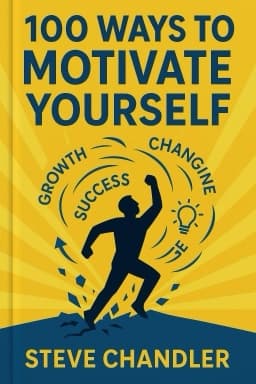
Steve Chandler’s '100 Ways to Motivate Yourself' upends common wisdom. The first big myth: you need to wait for inspiration. In reality, action precedes motivation. By acting first—even in small ways—you create the momentum that fuels further action. This is supported by behavioral science: habits are easier to maintain than to start, and each completed action strengthens your self-image as someone who follows through.
Visualization is powerful, but only if paired with action. Chandler’s strategy of inventing a 'true lie'—imagining yourself already living your dream—primes your subconscious to seek out opportunities. But without concrete steps, it’s just a daydream.
Another myth: motivation is a solo sport. In fact, your environment matters profoundly. Peer groups, coaches, and mentors provide feedback, accountability, and encouragement. Their energy is contagious, for better or worse.
Setbacks are inevitable. The difference between those who succeed and those who quit is renewal. Build in rituals—daily walks, creative hobbies, or moments of gratitude—to recharge your energy and perspective. Neuroscience shows that these rituals reduce stress and make motivation more sustainable.
Optimism and creativity are not innate talents; they are skills you can practice. Reframing negative thoughts, brainstorming solutions, and allowing yourself to play all build mental flexibility and resilience.
Laughter, too, is a secret weapon. It releases dopamine, boosts creativity, and makes even hard tasks enjoyable.
In sum: don’t wait for motivation—build it. Use vision, action, rituals, relationships, and play to create a system that works for you. The results? Real, lasting change—and a life you love waking up to.
Want to explore more insights from this book?
Read the full book summary