
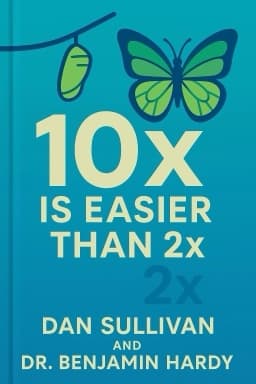
Transform Your Leadership Style with The 10X Rule: From Micromanager to Visionary
How the 10X Rule helps you build empowered teams and multiply your impact

The Four Levels of Entrepreneurial Growth
Entrepreneurs often start by doing everything themselves, which limits growth. The 10X Rule describes four levels of growth: individual contributor, leader using 'Who Not How,' builder of self-managing companies, and creator of self-expanding unique ability teams. Each stage requires letting go of control and trusting others to multiply your impact.
Building Unique Ability Teams
Teams built around each member’s unique strengths foster innovation and synergy. Instead of micromanaging tasks, leaders focus on aligning roles with individual talents. This approach increases motivation, accountability, and results.
For instance, a logistics company shifted from a traditional hierarchy to a strength-based team model, resulting in quadrupled profits and happier employees.
From Control to Vision
True leadership means working on your business, not in it. This shift frees you to innovate, explore new opportunities, and set the strategic direction. It also requires emotional intelligence and resilience to navigate challenges and inspire your team.
Psychological and Emotional Mastery
The journey to 10X leadership involves developing psychological flexibility and emotional resilience. Leaders face setbacks and uncertainty but maintain commitment to their vision. Viewing yourself as the context of your thoughts and emotions enables detachment from limiting beliefs.
Practical Tips for 10X Leadership
- Identify and delegate based on unique abilities
- Build trust through transparency and communication
- Set clear, massive goals for your team
- Foster a culture of accountability and growth
Conclusion
Transforming your leadership style with the 10X Rule creates a self-sustaining, innovative business that grows exponentially. Embrace this mindset to multiply your impact and live the entrepreneurial freedom you desire.
Want to explore more insights from this book?
Read the full book summary