
Why You Should Start Living by Jordan Peterson’s 12 Rules Today — Even If You’re Skeptical
A skeptic’s guide to understanding the surprising power of Peterson’s rules for real-life change.

It is easy to dismiss self-help books as simplistic or ideological, especially when they come wrapped in complex psychological and philosophical language. Jordan Peterson’s 12 Rules for Life has faced its share of skepticism. However, the enduring appeal of this book lies in its grounding in biology, psychology, and the timeless narratives that shape human experience.
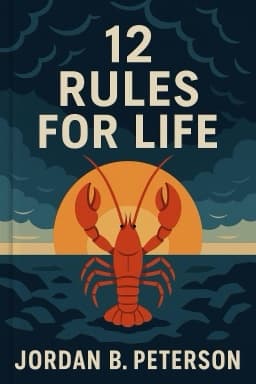
Peterson’s use of lobsters as a metaphor for dominance hierarchies reminds us that our social struggles are not merely cultural constructs but deeply biological phenomena. The serotonin-driven posture of lobsters parallels human neurochemistry, highlighting the connection between body language and mental state. This insight is backed by decades of research in neuroscience and behavioral biology.
Another striking revelation is the paradox of self-care. Why do so many neglect themselves yet care deeply for their pets? This question uncovers the psychological barriers of shame and vulnerability that prevent self-compassion. Recognizing this paradox is the first step toward breaking cycles of neglect and fostering healthier habits.
Social relationships are another critical theme. Studies consistently show that supportive friendships enhance health and resilience, while toxic relationships exacerbate stress and dysfunction. Peterson’s advice to choose friends who want the best for you is more than platitude—it is a survival strategy grounded in social science.
Personal growth is best measured by comparing yourself to who you were yesterday, not to others. This mindset reduces envy and despair, encouraging incremental improvement. Small habits, compounded over time, lead to lasting change.
Truth-telling is foundational. Lies create internal conflict and undermine trust, while honesty fosters integrity and psychological coherence. Clear communication and active listening further strengthen relationships and reduce chaos.
Finally, Peterson warns against overprotectiveness. Allowing children and ourselves to face manageable risks builds resilience and competence. Overprotection breeds anxiety and dependence, hindering growth.
The book concludes with the importance of mindfulness and gratitude—simple but powerful tools to find peace amidst life’s chaos.
For skeptics, this book offers no magic bullet but a set of grounded, research-backed principles to help navigate life’s complexities. Its strength lies in encouraging personal responsibility, truthfulness, and resilience. Whether you accept all its claims or not, engaging with these ideas can spark meaningful change.
Sources: Reddit discussions, Medium reviews, Tabletalk Magazine analysis, Amazon reader insights 1 2 3 4
Want to explore more insights from this book?
Read the full book summary