
The Secret Science Behind Raising Mentally Strong Kids You Wish You Knew Earlier
Explore cutting-edge neuroscience research that reveals how to build mental toughness in children.

Modern neuroscience offers profound insights into how children develop mental strength. Understanding the brain’s plasticity and emotional regulation mechanisms empowers parents to nurture resilience effectively.
Brain Development and Mental Toughness
The prefrontal cortex, responsible for decision-making and impulse control, develops throughout childhood and adolescence. Experiences that challenge children to regulate emotions and solve problems strengthen neural pathways essential for mental strength.
Love and Logic: A Neuroscience-Based Approach
Combining warmth with clear boundaries activates brain regions associated with safety and learning. This balance reduces stress hormones and promotes cognitive flexibility, enabling children to adapt and thrive.
Managing Parental Guilt and Anxiety
Parents’ emotional states influence children’s brain development. Chronic parental guilt and anxiety can elevate children’s stress levels, impairing executive function. Mindfulness and self-compassion practices help parents maintain emotional balance, benefiting the whole family.
Empathy and Social Connection
Social interactions stimulate oxytocin release, fostering trust and empathy. Encouraging volunteering and gratitude practices enhances these neural pathways, supporting prosocial behavior and emotional intelligence.
Encouraging Growth Mindset Through Challenge
Experiencing manageable stress and setbacks promotes neuroplasticity, allowing children to develop coping skills and perseverance. Parents can scaffold challenges to optimize learning and confidence.
By integrating neuroscience with practical parenting, families can cultivate mentally strong children equipped to meet life’s challenges with resilience and grace.
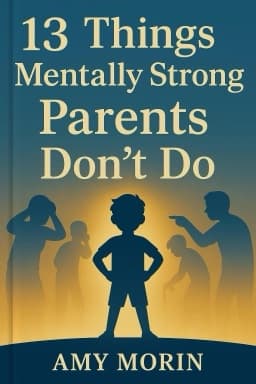
Based on works by Dr. Daniel G. Amen, Amy Morin, and contemporary neuroscience research.
Want to explore more insights from this book?
Read the full book summary