
Say Goodbye to Busywork: How the Most Important Task (MIT) Can Change Your Life
Transform your productivity by focusing on what truly matters each day.

Do you often feel overwhelmed by your to-do list, jumping from one task to another without making real progress? The secret to breaking this cycle lies in identifying your Most Important Task (MIT) — the single task that will have the greatest impact on your goals.
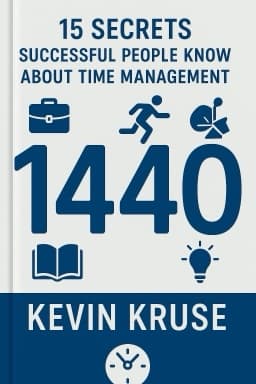
What is the MIT? It’s the one task you commit to completing each day before anything else. This concept, championed by productivity expert Kevin Kruse, shifts your focus from busyness to meaningful progress.
Scientific studies reveal that our brains function best in the first two hours after waking, a window ideal for tackling complex and high-impact tasks. Scheduling your MIT during this period leverages your natural cognitive peak, leading to higher quality work and increased satisfaction.
People who consistently work on their MIT report feeling happier and more energized, as completing significant work boosts confidence and reduces stress.
To implement the MIT strategy, start your day by choosing the task that aligns most closely with your long-term goals. Protect this time by minimizing distractions and saying no to less important demands.
Contrast this with the common trap of responding to emails or small tasks first, which creates a false sense of productivity while delaying meaningful work.
Experts like Cal Newport support this approach, emphasizing deep, focused work sessions that align with your MIT to maximize output.
Incorporate calendar blocking to reserve dedicated time for your MIT, ensuring it receives the attention it deserves.
By prioritizing your MIT daily, you build momentum and make consistent strides toward your aspirations, transforming overwhelm into achievement.
For further reading on focus and productivity, consider books like 'Deep Work' by Cal Newport and 'Eat That Frog!' by Brian Tracy, which offer complementary strategies to the MIT concept. 1 2 4
Want to explore more insights from this book?
Read the full book summary