
Why Most People Never Learn to Think: The Hidden Barriers to Critical Thinking
Explore the psychological traps that keep us from thinking clearly—and how to break free.

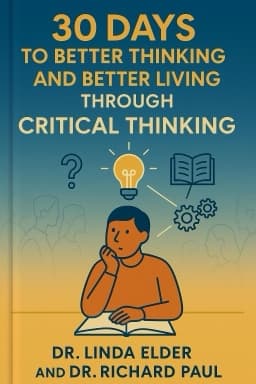
It’s a myth that thinking well is something everyone naturally does. In reality, most of us are trapped by powerful psychological forces that shape our beliefs, decisions, and actions—often without our awareness. Linda Elder and Richard Paul’s book, ‘Critical Thinking: Tools for Taking Charge of Your Learning and Your Life,’ shines a spotlight on these hidden barriers and offers hope for overcoming them.
Egocentrism: The Self-Centered Mind
From childhood, we are wired to see the world from our own perspective. Egocentric thinking is the tendency to see ourselves as always right, justified, and deserving. This leads to self-justification, defensiveness, and a blind spot for our own errors. Famous experiments in psychology show how easy it is to rationalize mistakes or ignore evidence that challenges our beliefs.
Sociocentrism: The Group-Centered Trap
Just as powerful is sociocentrism—the tendency to adopt the beliefs and norms of our group. Whether it’s family, culture, or nation, group pressure can silence dissent and foster prejudice. History is filled with examples where groupthink led to disastrous decisions, from business failures to social injustices.
Confirmation Bias: Seeing What We Want to See
We naturally seek out information that confirms our existing beliefs and ignore or dismiss what contradicts them. This confirmation bias is reinforced by social media algorithms and echo chambers, making it harder than ever to think independently.
Breaking Free: Strategies for Clearer Thinking
Awareness is the first step. Elder and Paul recommend regular self-reflection—asking yourself tough questions about your motives, evidence, and assumptions. Seeking out diverse perspectives, engaging in dialogue with people who disagree, and practicing intellectual humility are all essential. Journaling, reading widely, and participating in thoughtful discussions can help you spot and overcome your own biases.
Real-Life Stories: Triumph Over Bias
The blog shares stories of individuals who changed their lives by confronting their biases—teachers who re-examined their teaching methods, leaders who listened to dissenting voices, and everyday people who learned to apologize and grow. These examples prove that anyone can become a better thinker with effort and honesty.
Conclusion: The Path Forward
Thinking clearly is not about being perfect. It’s about being honest with yourself, open to change, and committed to growth. By recognizing and overcoming the barriers of egocentrism, sociocentrism, and bias, you can unlock your full potential and make wiser decisions in every area of life.
Want to explore more insights from this book?
Read the full book summary