
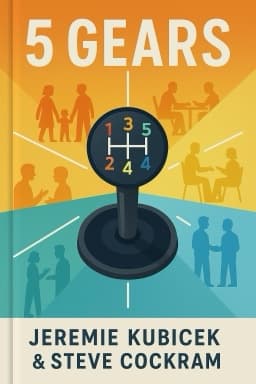
The Surprising Power of Apologies: How 'Reverse Gear' Can Save Your Relationships
Why learning to 'back up' might be the most important relationship skill you never learned.

If you’ve ever wished you could rewind a conversation, take back a harsh word, or undo a moment of inattention, you’re not alone. But while most productivity systems focus on moving forward, the '5 Gears' introduces a radical idea: sometimes the healthiest thing you can do is shift into reverse. Reverse gear is about backing up, apologizing, and making things right when you’ve made a mistake.
This isn’t just a nice idea—it’s essential for lasting relationships. Research shows that unresolved conflict and unacknowledged hurt are among the biggest predictors of relationship breakdown, whether in families, friendships, or teams. The authors of '5 Gears' share powerful stories of leaders and parents who learned to use reverse gear, transforming resentment into trust and distance into closeness.
So how do you actually apologize well? The book suggests a simple script: acknowledge the mistake, express regret, and ask what you can do to make it right. Timing matters—sometimes you need to give space before you back up. And the best apologies are specific, sincere, and focused on the other person’s experience, not your own excuses.
Families who embrace reverse gear find that conflict becomes less scary—kids learn that it’s okay to make mistakes, as long as you own them and repair the damage. Teams that use reverse gear build cultures of psychological safety, where innovation and honesty can flourish. Next time you feel the urge to defend or deflect, try shifting into reverse instead. You might be surprised at how quickly trust is restored. 1 2 3
Want to explore more insights from this book?
Read the full book summary