
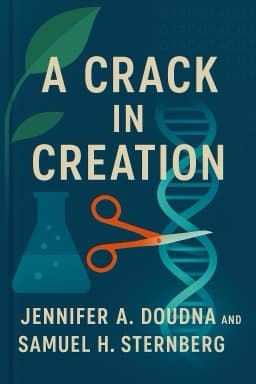
Gene Editing in Agriculture: Feeding the Future with CRISPR
How CRISPR is cultivating healthier crops and a sustainable tomorrow.

As the global population surges toward 10 billion, ensuring enough nutritious food for all is one of humanity’s greatest challenges. Traditional breeding methods have improved crops over millennia, but they are slow and limited in precision. Enter CRISPR, a revolutionary technology that allows scientists to edit plant genomes with pinpoint accuracy, accelerating the development of crops tailored to meet modern demands.
Gene editing has enabled the creation of rice varieties resistant to devastating blight, tomatoes that stay fresh longer to reduce spoilage, and potatoes with lowered levels of harmful toxins. These improvements mean healthier foods, less pesticide use, and reduced environmental impact. For instance, a gene-edited mushroom that resists browning has the potential to minimize food waste significantly.
Moreover, CRISPR can help crops adapt to climate change by enhancing drought tolerance and nutrient efficiency, vital traits as weather patterns grow more unpredictable. This technology also supports sustainable agriculture by reducing chemical inputs and preserving biodiversity.
Regulatory frameworks for gene-edited crops vary globally, with some countries embracing innovation while others proceed cautiously. Public perception and education play critical roles in acceptance, highlighting the need for transparent communication about benefits and risks.
Ultimately, CRISPR’s integration into agriculture heralds a new green revolution—one that combines cutting-edge science with environmental stewardship to nourish the planet sustainably.
Want to explore more insights from this book?
Read the full book summary