
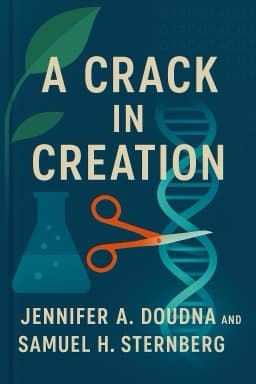
Unlocking the Secrets of Life: How CRISPR is Revolutionizing Our Future
Discover the astonishing power of CRISPR and how it’s reshaping medicine, agriculture, and the very fabric of life.

Imagine a world where diseases like sickle cell anemia, cystic fibrosis, and even certain cancers could be cured by rewriting the very code of life. This is not science fiction but the emerging reality thanks to CRISPR, a gene-editing technology that has taken the scientific world by storm. Originally discovered as a natural defense mechanism used by bacteria to fend off viruses, CRISPR has been adapted into a versatile tool that allows scientists to cut and modify DNA with extraordinary precision.
At its core, CRISPR works by using RNA molecules as guides to direct a protein called Cas9 to a specific sequence of DNA. This molecular scissors then cut the DNA at the targeted location, allowing for the removal, addition, or alteration of genetic material. This simplicity and programmability have democratized gene editing, making it accessible to labs around the world and accelerating research at an unprecedented pace.
One of the most exciting applications of CRISPR is in medicine. Scientists have already demonstrated success in editing the genes of patients with sickle cell disease, effectively curing them of the debilitating condition. Similarly, gene therapies are being developed to tackle inherited disorders and boost the immune system’s ability to fight cancer. Beyond human health, CRISPR is transforming agriculture by creating crops that resist pests and diseases, require fewer pesticides, and offer enhanced nutritional value. For example, gene-edited rice and tomatoes have been engineered to withstand blight and spoilage, promising to reduce food waste and improve global food security.
However, with great power comes great responsibility. The ability to edit the human germline — the DNA passed down to future generations — raises profound ethical questions. Should we alter traits for medical reasons only, or also for enhancement? How do we prevent misuse or unintended consequences? These questions have sparked global debates involving scientists, ethicists, policymakers, and the public. Regulatory approaches vary widely, reflecting cultural values and political priorities, underscoring the need for inclusive dialogue and international cooperation.
Moreover, ecological interventions such as gene drives aimed at controlling mosquito populations to combat malaria and Zika virus introduce new challenges. While the potential to save millions of lives is enormous, the long-term environmental impacts remain uncertain, calling for cautious and transparent risk assessments.
As we look forward, the rapid advancement of CRISPR technology offers both hope and caution. It embodies the pinnacle of human ingenuity but demands collective stewardship to ensure its benefits are shared equitably and its risks minimized. The wave of gene editing is coming, and by paddling out together — scientists, policymakers, and society at large — we can ride it towards a future of healing, sustainability, and understanding.
For those fascinated by the intersection of science, ethics, and the future of life itself, CRISPR offers a compelling story of discovery, innovation, and responsibility that will shape generations to come.
Want to explore more insights from this book?
Read the full book summary