
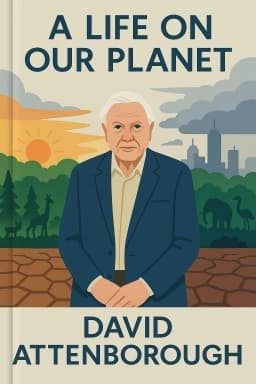
How 'A Life on Our Planet' Reveals the Hidden Connections That Sustain Us All
The surprising ways plants, animals, and people are linked—and why it matters more than ever.
Life’s Web: Every Thread Matters
Attenborough invites us to see the world not as isolated parts, but as a tapestry where every thread—plant, animal, microbe, and human—matters. He describes rainforests where monkeys spread seeds, insects pollinate flowers, and predators keep balance. In the ocean, whales’ movements fertilize plankton, which in turn feed fish and regulate the planet’s carbon.
Ripple Effects: When One Link Breaks
The book is full of examples where disrupting one part of an ecosystem leads to unexpected consequences. Removing wolves from Yellowstone led to overgrazed valleys and collapsing riverbanks, but their return restored balance. Overfishing in the oceans causes jellyfish blooms and coral decline, but marine reserves help fish stocks rebound.
People in the Web
Humans are not outside this web—we are part of it. Attenborough shares stories of communities that thrive when they work with, not against, nature: farmers using regenerative techniques, villages protecting forests, and cities creating green corridors for wildlife.
Restoring Connections
The book’s hopeful message is that restoration works. Even small actions, like planting wildflowers for pollinators or creating marine sanctuaries, can revive lost connections and bring back abundance.
Conclusion: A Call to Reconnect
'A Life on Our Planet' is a reminder that our fate is tied to the fate of all living things. By recognizing and restoring the connections that sustain us, we can build a future where nature and people flourish together.
Want to explore more insights from this book?
Read the full book summary