
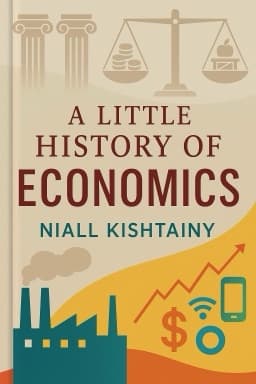
Unlocking the Secrets of Economic Thought: From Ancient Scarcity to Modern Markets
Discover how humanity's understanding of scarcity and value shaped the foundations of economics.

Imagine a world where every exchange of goods depended on finding someone who wanted exactly what you offered and had exactly what you desired in return. This barter system, while foundational, was rife with inefficiencies that slowed the growth of early economies. The ancient Greeks, pioneers in economic thinking, recognized these challenges and introduced the concept of 'oikonomikos'—the art of household management. This term, which evolved into what we now call economics, emphasized managing scarce resources wisely within the household and community.
Scarcity—the fundamental economic problem of having limited resources but unlimited wants—forces individuals and societies to make choices. Every decision involves an opportunity cost: the value of the next best alternative forgone. For example, choosing to study history instead of geography means losing the chance to learn about deserts and glaciers. This principle guides countless decisions, from daily purchases to national policies.
The invention of money marked a turning point. Early coins, minted from electrum in Lydia, provided a standardized medium of exchange that solved the limitations of barter. Money became the invisible thread connecting people, enabling specialization and complex trade networks. This transformation allowed societies to flourish economically, setting the stage for the vast markets and financial systems we see today.
Understanding these roots enriches our appreciation of economics as a human story about survival, cooperation, and progress. Scarcity and choice remain as relevant now as in ancient times, reminding us that economics is not just about numbers but about the decisions that shape our world.
Want to explore more insights from this book?
Read the full book summary