
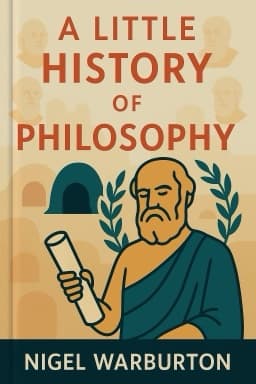
Why Philosophy Still Matters: 8 Timeless Lessons to Transform Your Mindset
Discover how ancient philosophical teachings can heal your mind, boost optimism, and help you thrive today.

In a world overwhelmed by noise and uncertainty, ancient philosophy offers a soothing balm for the restless mind. The journey begins with Socrates, whose fearless questioning invites us to examine our beliefs and discard falsehoods.
Aristotle teaches that happiness is not a fleeting emotion but a balanced state achieved by cultivating virtues. This Golden Mean encourages moderation and practical wisdom, reminding us that extremes lead to imbalance and suffering.
Epicurus comforts us by dissolving the fear of death through rational understanding. His advocacy for simple pleasures—friendship, food, tranquility—shows that happiness does not require extravagance.
Stoicism empowers us to master emotions by recognizing that feelings arise from our judgments. By changing our perceptions, we gain resilience against pain and misfortune.
Skepticism teaches acceptance of uncertainty, encouraging suspension of judgment to avoid distress. While challenging, this stance fosters peace in a world of ambiguity.
Augustine’s reflections on free will and evil reconcile faith with human responsibility, offering comfort amid moral complexity. Understanding that freedom entails risk helps us accept life’s imperfections with grace.
Machiavelli and Hobbes remind us that power dynamics shape human society and that pragmatic leadership often requires tough choices. Recognizing these realities helps us navigate social challenges wisely.
These timeless lessons invite us to transform our mindset, heal emotional wounds, and approach life with greater optimism and resilience. By weaving philosophy into daily living, we cultivate a richer, more meaningful existence.
Want to explore more insights from this book?
Read the full book summary