
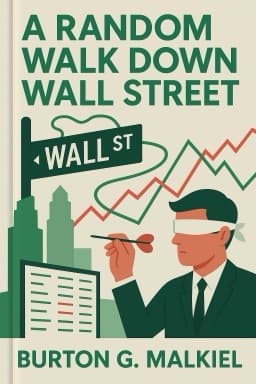
How Behavioral Finance Can Save Your Portfolio from Emotional Disaster
Master your mind to master your money: The crucial psychological insights every investor must know.

Investing is often portrayed as a battle of numbers and analysis, but beneath the surface lies a complex interplay of human emotions and cognitive biases. Behavioral finance uncovers these hidden influences and offers a roadmap to avoid their pitfalls.
One of the most powerful biases is overconfidence. Many investors believe they have superior knowledge or skill, leading to excessive trading and risk-taking. This illusion can erode returns and increase exposure to losses.
Loss aversion causes investors to feel the pain of losses more acutely than the pleasure of equivalent gains. This can result in holding onto losing positions too long and selling winners prematurely, undermining portfolio performance.
Herding behavior is another potent force. The instinct to follow the crowd can amplify market trends, creating bubbles and crashes. Investors often abandon independent analysis in favor of social conformity, which can be costly.
Recognizing these biases is the first step toward overcoming them. Strategies such as setting clear investment plans, automating contributions, and focusing on long-term goals help reduce emotional decision-making.
By mastering the mind, you gain control over your money. Behavioral finance transforms investing from a game of chance into a journey of thoughtful, informed choices.
Sources: TheStreet, Reddit, Bankrate 4 3 2
Want to explore more insights from this book?
Read the full book summary