
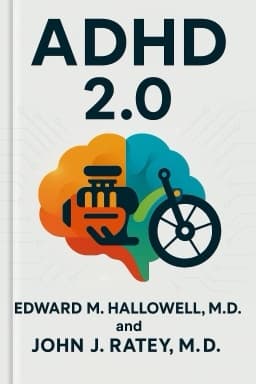
Why ADHD Is Not What You Think: The Brain Science Behind The Chaos
A deep dive into the brain networks and neurological quirks that create the unique ADHD experience.

ADHD is often reduced to stereotypes of hyperactivity or laziness, but the reality is far more complex and fascinating. At the heart of ADHD lies a delicate balance—or imbalance—between two key brain networks: the task-positive network (TPN) and the default mode network (DMN).
The TPN governs focused, goal-directed behaviors, while the DMN activates during rest, daydreaming, and self-reflection. In typical brains, these networks alternate smoothly, like a well-choreographed dance. However, in ADHD, this toggle switch malfunctions, resulting in both networks firing simultaneously. This neurological glitch explains why someone with ADHD might find it impossible to focus on a task yet get lost in intense internal thoughts.
Adding to this complexity is the cerebellum, a brain region once thought to be solely responsible for balance and movement. Recent discoveries reveal its critical role in cognitive and emotional regulation. Damage or underdevelopment in the cerebellum can produce symptoms mirroring ADHD.
Innovative therapies now target the cerebellum through vestibular stimulation and coordination exercises, helping to restore balance in brain networks.
Understanding these brain mechanisms not only dispels myths but also opens new avenues for treatment, emphasizing that ADHD is a neurological difference with unique strengths and challenges.
As science advances, integrating these insights with lifestyle changes and social support forms the future of personalized ADHD care.
Sources: Recent neuroscience reviews and expert consortium reports (2025) from The New York Times, QBTech, and Spark Mental Health
2
4
1
Want to explore more insights from this book?
Read the full book summary