
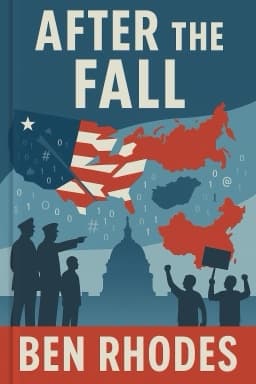
Inside the Authoritarian Playbook: What ‘After the Fall’ Teaches Us About Power
From Budapest to Beijing: How Modern Strongmen Undermine Democracy

From Budapest to Beijing: How Modern Strongmen Undermine Democracy
What does it take to turn a democracy into an authoritarian regime? ‘After the Fall’ offers a chilling answer: not much, and rarely all at once. The book’s most powerful chapters take us to Hungary, where Viktor Orbán’s government has perfected the art of legalistic subversion. Elections are held, but the rules are rewritten to favor the ruling party. Courts remain, but their independence is quietly eroded. The media landscape is transformed, with critical outlets bought up by allies or shut down entirely.
This is not the stuff of coups and tanks in the streets. Instead, it’s a slow, methodical process—what some call ‘soft authoritarianism.’ The author describes how economic rewards are funneled to loyalists, creating a network of cronies who benefit from the system and have every incentive to keep it in place. Dissent is discouraged not just through censorship, but through more insidious means: lawsuits, regulatory harassment, and the ever-present threat of social ostracism.
In Russia, the playbook takes on a digital dimension. Disinformation campaigns flood the airwaves and the internet, making it nearly impossible to separate fact from fiction. The author recounts conversations with journalists who risk everything to tell the truth, knowing that their words might be drowned out by a torrent of fake news and state-sponsored propaganda. Technology becomes both a tool of control and a weapon against dissent.
China, meanwhile, offers a glimpse of the future. The state’s use of surveillance technology is unparalleled, with facial recognition cameras, social credit scores, and AI-driven monitoring systems that track every move. The author’s interviews with Chinese dissidents reveal the psychological toll of living under constant watch—a world where even private conversations can have public consequences.
Yet, the book is not without hope. In each country, there are those who resist: investigative reporters, grassroots organizers, and ordinary citizens who refuse to be cowed. Their stories serve as a reminder that the playbook can be countered, but only if we recognize its moves and act before it’s too late.
For readers in any democracy, the message is clear: vigilance and solidarity are the best defenses against creeping authoritarianism. By understanding the tactics used abroad, we can better defend our own institutions—and support those fighting for freedom around the world.
Want to explore more insights from this book?
Read the full book summary