
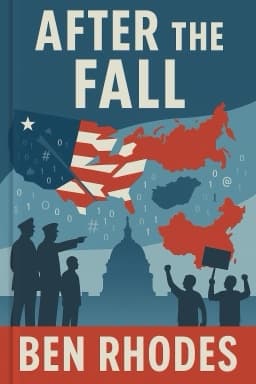
The Digital Battlefield: Disinformation and the Fight for Truth in ‘After the Fall’
How Social Media and Surveillance Are Changing Politics Forever

How Social Media and Surveillance Are Changing Politics Forever
In the age of smartphones and social networks, the struggle for power has moved online. ‘After the Fall’ offers a sobering look at how digital tools—once hailed as forces for democratization—are now used to undermine democracy itself. The author explores the rise of disinformation campaigns, where fake news spreads faster than facts and online trolls swarm dissenters into silence.
Private intelligence firms, often staffed by former spies, are hired to dig up dirt on critics, spread rumors, and sabotage reputations. The book describes the psychological impact of being targeted by these campaigns: anxiety, isolation, and a growing sense that the truth is unknowable. Social media platforms, driven by algorithms designed to maximize engagement, amplify the most divisive content, deepening polarization and making it harder for people to find common ground.
Yet, the digital battlefield is not without hope. The author profiles journalists, activists, and ordinary citizens who fight back—fact-checking, building new platforms for trustworthy information, and reaching across divides to foster dialogue. The lesson is clear: Defending truth in the digital age requires vigilance, creativity, and solidarity.
For readers concerned about the future of democracy, ‘After the Fall’ is an essential guide to the challenges—and opportunities—of the information age.
Want to explore more insights from this book?
Read the full book summary