
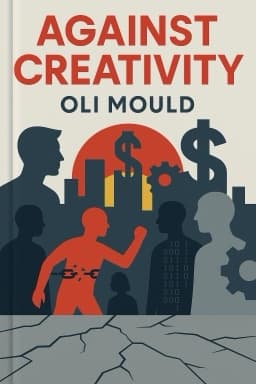
Why Your 'Creative Job' Might Be Making You Miserable: The Precarity Trap
Unmasking the Hidden Struggles Behind the Glamour of Creative Work

Creative work is often portrayed as the dream job—flexible hours, doing what you love, and endless opportunities for self-expression. But beneath this appealing surface lies a harsh reality: precariousness, insecurity, and mental health struggles.
The colorful, vibrant workspaces designed to inspire creativity often mask intense pressure and competition. The 'creative class'—a term popularized to describe knowledge and cultural workers—is far from a homogeneous group of privileged innovators. Instead, it includes many who endure casual contracts, unpredictable incomes, and constant hustle.
Consider academia, where over half of UK researchers are on insecure contracts. Early career academics juggle multiple roles with little job security, facing burnout and anxiety. Similarly, gig economy workers—freelancers, artists, and digital creators—navigate a landscape of unstable gigs and zero-hour contracts. The promise of autonomy is often a euphemism for vulnerability.
Neoliberal labor policies have reshaped work to prioritize flexibility and market responsiveness, often at the expense of collective protections and well-being. The rhetoric of creativity is used to justify these changes, framing instability as an opportunity rather than a risk.
However, resistance is growing. Cooperative labor models and autogestive practices allow workers to collectively manage their conditions, reclaiming control and fostering solidarity. These models challenge the dominant narrative of individual competition and highlight creativity’s potential as a social and emancipatory force.
This blog invites you to look beyond the glossy image of creative jobs and recognize the systemic issues affecting millions. Understanding these dynamics is the first step toward building fairer, healthier, and more inclusive creative workplaces.
Join the conversation about the real costs of creative labor and the hopeful alternatives emerging worldwide.
Sources: Academic labor reports, gig economy studies, social critiques 1 2
Want to explore more insights from this book?
Read the full book summary