
The Hidden Battles Behind the Birth of the Nuclear Navy: Culture, Politics, and Innovation
Unveiling the fierce cultural and political resistance Admiral Rickover overcame to launch the nuclear submarine era.

Innovation is rarely a smooth journey, especially when it challenges entrenched traditions and powerful institutions. The creation of the U.S. Navy’s nuclear submarine fleet under Admiral Hyman G. Rickover was no exception. While the technical marvels of nuclear propulsion capture the imagination, the real story unfolds in the fierce cultural and political battles waged behind the scenes.
The diesel submarine community was proud and bold, prizing audacity and operational daring honed through decades of wartime experience. Introducing nuclear technology demanded a radical cultural shift toward meticulous discipline and safety, which many resisted as a threat to their identity and tradition. This resistance was emotional and deeply rooted, making change a delicate and difficult process.
Complicating matters was bureaucratic fragmentation. The Atomic Energy Commission controlled nuclear reactor development and fuel, while the Navy managed ship construction and operations. This dual control created coordination challenges and inefficiencies. Rickover’s political acumen was crucial in navigating this complex landscape, securing presidential support, and centralizing control to streamline the program.
Economic realities added pressure. Post-WWII budget constraints meant Rickover had to demonstrate that nuclear submarines were not only strategically vital but also cost-effective. His ingenuity in repurposing salvaged parts and building the first nuclear submarine from unconventional materials helped convince skeptical lawmakers.
Rickover’s approach to overcoming resistance was direct and relentless. He confronted cultural inertia head-on, refusing to compromise on safety or standards. His personal involvement in interviewing and selecting officers ensured that only those aligned with his vision joined the nuclear program, creating a dedicated and disciplined team.
This story offers profound lessons on the challenges of leading innovation in large organizations. Change is not just about new technology; it’s about transforming culture, managing politics, and maintaining unwavering commitment to a vision despite opposition.
Understanding these hidden battles enriches our appreciation of the nuclear Navy’s achievements and provides a blueprint for leaders facing resistance in any field.
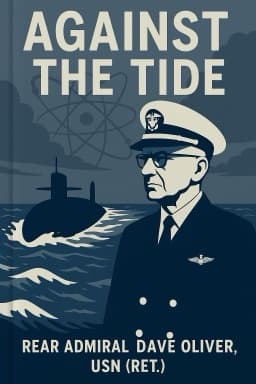
Want to explore more insights from this book?
Read the full book summary