
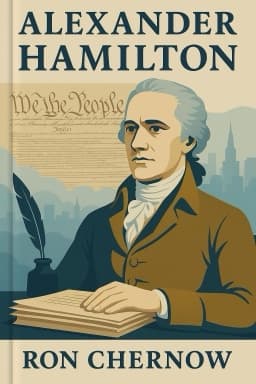
How Alexander Hamilton Invented Modern America (And Why He Still Matters Today)
Discover the Innovations That Built a Nation—and Still Shape Your World

When you swipe your credit card, read a headline about the U.S. Treasury, or see a Coast Guard cutter patrolling the harbor, you’re witnessing the legacy of Alexander Hamilton. More than any other founder, Hamilton envisioned the United States as a dynamic, modern nation—one built on innovation, industry, and a strong financial system. His economic blueprint didn’t just save the young republic from chaos; it set the stage for two centuries of growth and prosperity.
The Architect of American Finance
Hamilton’s tenure as Secretary of the Treasury was a masterclass in vision and execution. He consolidated state debts, established the first national bank, and created the structures for federal taxation and public credit. These moves were controversial—critics feared too much central power—but they stabilized the economy and gave America credibility on the world stage.
Innovation at Sea: The Coast Guard’s Origin Story
Hamilton’s concern for law and order extended to American waters. He founded the Revenue Cutter Service to enforce customs laws and combat smuggling, laying the groundwork for what would become the U.S. Coast Guard. This institution protected American trade and helped fund the government in its earliest days.
The Birth of American Industry
Hamilton was one of the first to see the importance of manufacturing and infrastructure. He advocated for policies that would encourage industry, build roads and canals, and support innovation. His vision of a diverse, modern economy was ahead of its time—and it’s why America became an economic powerhouse.
Hamilton’s Legacy in the 21st Century
Today, Hamilton’s influence is everywhere: in the banking system, the stock market, and the institutions that keep the economy running. His ideas about credit, investment, and public finance continue to shape debates about government, business, and society.
Hamilton’s story is proof that bold ideas and practical solutions can change the world. In an age of uncertainty, his example reminds us to think big, embrace innovation, and build systems that serve the common good.
Want to explore more insights from this book?
Read the full book summary