
Worldviews and Marketing: How Your Beliefs Shape What You Buy
Unlock the invisible lens that filters every marketing message and learn how brands tailor stories to fit your worldview.

Every individual carries an invisible lens through which they interpret the world—a worldview composed of personal beliefs, values, and biases. These worldviews act as filters that shape how consumers perceive marketing messages and products.
Consider two people looking at the same political candidate or brand. One sees a hero; the other, a villain. Neither is wrong from their perspective; their worldview colors their interpretation. This phenomenon explains why marketing messages that resonate with one group may fail or even offend another.
Marketers who grasp this principle do not attempt to convince everyone with a single message. Instead, they identify segments with shared worldviews and tailor stories that fit those beliefs. This technique, known as framing, aligns the narrative with the consumer’s existing mindset, making it easier to accept and share.
For example, a health-conscious mother might reject frozen meals unless the brand frames its story around convenience without sacrificing the warmth and love of home-cooked food. By respecting and aligning with consumer worldviews, marketers build trust and avoid resistance.
Understanding worldviews is crucial in today’s fragmented marketplace. It empowers marketers to craft targeted, meaningful stories that resonate deeply, fostering loyalty and advocacy.
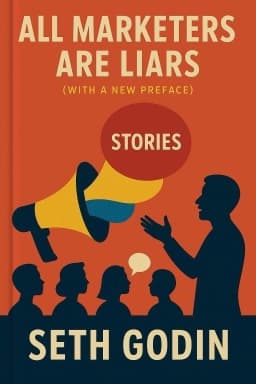
Explore more on how framing and worldview alignment create powerful marketing narratives in Seth Godin’s extensive writings and thought leadership. 1 3 4
Want to explore more insights from this book?
Read the full book summary