
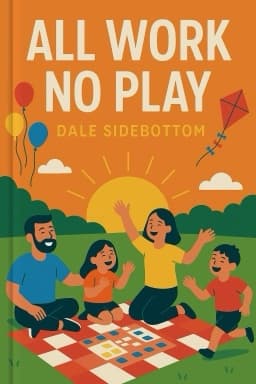
From Burnout to Brilliance: The Healing Power of Play
How Fun, Laughter, and Creativity Can Help You Thrive Again

Burnout can feel like a dark tunnel with no end in sight. But what if the way out wasn’t harder work, but more play? Dale Sidebottom’s journey from exhaustion to energy began with a simple shift: making time for playful moments, gratitude, and kindness. The Daily PEGG—Play, Exercise, Gratitude, Giving—became a lifeline, transforming stress into joy, and fatigue into creativity.
Why Play Heals
Play is more than just a distraction from stress—it’s a way to process emotions, build resilience, and reignite your zest for life. Neuroscience shows that playful activities trigger the release of dopamine and endorphins, reducing cortisol and helping your brain recover from overload. Even a few minutes of laughter or creativity can shift your mood and perspective.
Stories of Recovery
Sidebottom shares moving examples of people who found healing through play: a teacher who rediscovered her passion by bringing games into her classroom, a parent who rebuilt family bonds through nightly laughter, and a leader who used playful challenges to restore trust in his team. These stories prove that fun isn’t frivolous—it’s fundamental to wellbeing.
Making Play a Habit
Start small: add a playful break to your workday, try a new hobby, or invite friends for a game night. Pair play with gratitude and acts of giving for a powerful trifecta of healing. Over time, these habits will not only help you recover from burnout, but also make you more creative, connected, and fulfilled.
Don’t Wait—Play Today
Burnout doesn’t have to be the end of your story. By embracing play, you can write a new chapter filled with energy, joy, and purpose.
References:
All Work No Play by Dale Sidebottom
1
,
4
Research on play and burnout recovery
Want to explore more insights from this book?
Read the full book summary