
Why Adults Need to Play: The Surprising Science of Fun and Fulfillment
Unlocking the Power of Play for a Happier, Healthier Life

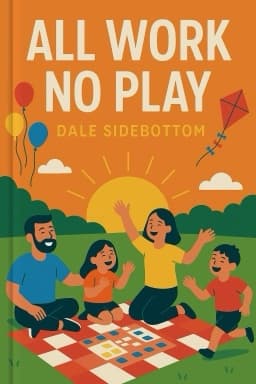
When was the last time you truly played? Not just a quick laugh or a fleeting smile, but the kind of play that makes you lose track of time, forget your worries, and reconnect with your sense of wonder? For many adults, play is a distant memory—something we left behind with childhood. But according to Dale Sidebottom’s transformative book, 'All Work No Play,' it’s time to reclaim play as an essential part of our adult lives.
Play Is Not Just for Kids
Most of us grow up believing that play is something we grow out of, a distraction from the serious business of life. But the truth is, play is a universal, ageless language. Across cultures and generations, play is how we connect, learn, and heal. In fact, neuroscience shows that play activates the same pleasure centers in the adult brain as it does in children, releasing dopamine and endorphins that boost mood, reduce stress, and fuel creativity.
The Neuroscience of Joy
Play is more than just fun—it’s a workout for your mind. When you engage in playful activities, your brain releases chemicals that enhance neuroplasticity, making you more adaptable and resilient. Studies cited in Sidebottom’s book reveal that adults who regularly play are less likely to experience burnout, anxiety, or depression. Instead, they report higher levels of satisfaction, connection, and even physical health. Play is the antidote to the modern epidemic of stress and disconnection.
Real-Life Stories of Transformation
Sidebottom shares powerful stories of people who rediscovered play and changed their lives. A teacher on the brink of quitting found new energy by bringing games into the classroom. A corporate team rebuilt trust and collaboration through playful challenges. Even families struggling with conflict found healing in shared laughter and creativity. These stories aren’t just inspiring—they’re proof that play is a powerful tool for growth and healing.
Practical Ways to Bring Play Back
Incorporating play doesn’t require a major lifestyle overhaul. Start small: schedule short games with your family, take playful breaks at work, or simply allow yourself to be silly. Sidebottom suggests rituals like gratitude walls, kindness jars, and daily reflection questions to keep joy at the center of your routine. The key is to make play a habit, not a rare event.
Why Now Is the Time to Play
The world can feel heavy, especially in times of uncertainty. But play reminds us that joy is always within reach. It’s not about ignoring challenges, but about building the resilience to face them. By choosing to play, we choose to live more fully, love more deeply, and lead with kindness. So, the next time you feel overwhelmed, remember: play is not a distraction—it’s your secret superpower.
Ready to rediscover the lost art of play? Start today and watch your life transform.
References:
All Work No Play by Dale Sidebottom
1
,
2
Related neuroscience research and wellbeing studies
4
Want to explore more insights from this book?
Read the full book summary