
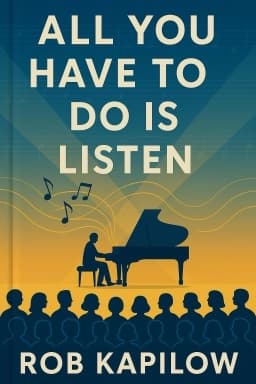
Compared to What? How Context Gives Music Its Magic
Learn why every note only makes sense in relation to what comes before and after.

Learn why every note only makes sense in relation to what comes before and after
Imagine reading a sentence without knowing what came before or after. It might make sense, but it would lack depth, nuance, and meaning. The same is true for music. Context is everything. The way a note or phrase feels depends on what surrounds it, and composers use this to create stories that surprise, delight, and move us.
Listening for context—what Rob Kapilow calls 'compared-to-what' listening—means always asking: How does this moment relate to what I’ve just heard? What changes when a melody returns in a new harmony, or a background figure steps into the spotlight? This approach turns passive hearing into an active, engaging adventure, helping you notice the plot twists and emotional arcs in every piece.
By practicing contextual listening, you’ll start to recognize the subtle choices that make music meaningful. You’ll hear how composers create expectations—and then upend them. You’ll feel the thrill of surprise when a familiar theme returns transformed. And you’ll understand why every note matters, not just on its own, but as part of a larger story.
So next time you listen, ask yourself: Compared to what? The answer might just change the way you hear everything.
Want to explore more insights from this book?
Read the full book summary