
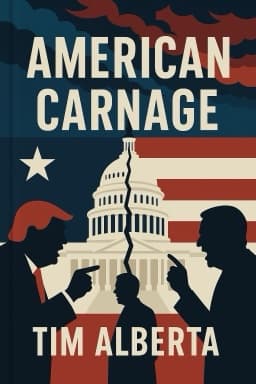
From Outsiders to Insiders: How Populism Took Over the Republican Party
The Celebrity Effect and the Art of Disruption in Modern Politics

The Celebrity Effect and the Art of Disruption in Modern Politics
Once upon a time, party leaders rose through the ranks, paying their dues and mastering the art of compromise. But the rise of populism shattered this model. Outsiders, armed with celebrity and a knack for spectacle, crashed the gates. The most famous example, Donald Trump, didn’t just run for president—he rewrote the rules of engagement. His campaign was a masterclass in media manipulation: every tweet, rally, and off-the-cuff insult became headline news.
This new breed of leader understood something fundamental: in the age of social media, authenticity (or the appearance of it) trumps expertise. Voters, tired of scripted politicians, craved someone who would 'tell it like it is.' The outsider’s rise was fueled by a base that felt ignored and betrayed by the old guard. The promise was not just to change policies, but to disrupt the system itself.
Traditionalists within the party were caught off guard. Many believed that experience and loyalty still mattered. But the primaries told a different story. Candidates who echoed the outsider’s rhetoric surged ahead, while those who clung to the old playbook faded into irrelevance.
The consequences of this shift were profound. Party discipline gave way to personal loyalty. Policy debates were replaced by personality clashes. The outsider’s victory was not just a political win, but a cultural moment, signaling the dawn of a new era where the boundaries between politics, entertainment, and activism blurred.
As the dust settled, it became clear: the era of the outsider was here to stay. The Republican Party—and American politics—had been transformed, perhaps irrevocably.
3
4
Want to explore more insights from this book?
Read the full book summary