
Inside the KGB’s Playbook: How Russian Intelligence Shaped American Politics
A deep dive into the covert operations and psychological warfare that influenced the US from within.

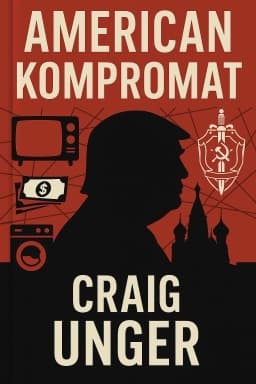
Russian intelligence has long mastered the art of covert influence, using a sophisticated toolkit known as 'active measures' to manipulate political landscapes far beyond its borders. Craig Unger’s House of Trump, House of Putin offers a comprehensive look at these tactics, tracing their evolution from Cold War espionage to contemporary political warfare.
Active Measures: The KGB’s Political Warfare Arsenal
Active measures encompass a wide range of tactics including disinformation, propaganda, fake documents, front organizations, and even assassinations. These methods are designed not to confront adversaries with force but to destabilize them from within by sowing discord and confusion. Unger highlights how these measures were deployed in the United States, exploiting vulnerabilities in political, social, and economic systems.
Joy-Lud Electronics: A Frontline in Espionage
One of the most fascinating examples is Joy-Lud Electronics, a small store in New York that catered exclusively to Soviet diplomats and spies. Its co-owner, Semyon Kislin, acted as a KGB spotter agent, identifying potential assets among American elites. This front business exemplifies how intelligence agencies embed themselves in everyday environments to conduct espionage and influence operations under the radar.
Disinformation and Media Manipulation
The KGB’s use of disinformation reached new heights with the advent of mass media and later, social media. By flooding the information ecosystem with false narratives and conspiracy theories, Russian intelligence aimed to fracture public trust and polarize society. Unger details how Trump’s 1987 newspaper ads, which echoed KGB talking points, were celebrated by the agency as a successful active measure, illustrating the potency of media manipulation.
Strategic Asset Cultivation
Beyond media, the KGB cultivated individuals whose personal vulnerabilities—vanity, greed, ignorance—made them ideal assets. Donald Trump’s early interactions with Soviet front businesses and Russian oligarchs positioned him as a target for long-term influence. These relationships were carefully nurtured, blending business interests with intelligence objectives.
Implications for Today’s Democracy
Understanding the KGB’s playbook is essential for recognizing and countering ongoing foreign interference. The tactics of disinformation, infiltration, and covert influence have not disappeared; they have adapted to new technologies and political contexts. Unger’s work serves as a warning and a call to action for greater transparency, media literacy, and institutional resilience.
By studying these covert operations, citizens and policymakers can better defend democratic processes against manipulation and ensure that the future of American politics is shaped by truth and accountability rather than shadowy influence.
Further reading and sources: Want to explore more insights from this book?