
The Dark Nexus: Russian Mafia, Trump Tower, and the Billion-Dollar Money Laundering Scheme
How the Russian Mafia’s financial tentacles reached the heart of American real estate and politics.

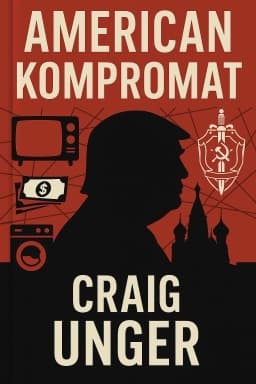
The glittering facade of Trump Tower hides a far darker story—a nexus of crime, money laundering, and geopolitical influence that Craig Unger meticulously uncovers in his book. This blog explores the financial underworld where Russian organized crime intersected with American real estate and politics, creating a billion-dollar laundering operation that enriched criminals and compromised national security.
From Racketeering to White-Collar Crime
In the 1980s, the Russian Mafia transitioned from overt criminal activities like extortion and racketeering to sophisticated financial crimes. Tax scams, stock manipulations, and money laundering became their new weapons. This shift allowed them to embed illicit funds into legitimate businesses, masking their origins and expanding their influence.
Trump Tower: A Money Laundering Hub
Trump Tower emerged as a prime location for laundering money. At least thirteen individuals with ties to the Russian Mafia owned or operated from units within the tower. These buyers often paid in all cash through anonymous shell companies, obscuring the money trail. The average condo price was around $1.2 million, with total laundered sums exceeding $1.5 billion. This financial influx not only supported the mafia’s operations but also increased Trump’s business leverage.
Key Players and Financial Networks
Figures such as David Bogatin and Tamir Sapir played crucial roles in this network. Bogatin purchased multiple condos for millions in cash, while Sapir financed developments and helped bail Trump out during financial crises. Their connections to Russian organized crime and oligarchs created a web of influence that blurred the lines between business and espionage.
Legal and Institutional Complicity
Despite FBI surveillance and awareness, the complexity of real estate transactions and legal loopholes made prosecution difficult. The lack of transparency in property ownership and the political influence wielded by involved parties allowed these operations to continue with minimal interference, exposing systemic vulnerabilities.
Implications for National Security
The integration of organized crime money into American real estate created leverage points for foreign intelligence. These financial ties increased Trump’s susceptibility to influence and compromised the integrity of political processes. Unger’s investigation highlights the urgent need for stricter regulations and oversight to prevent similar schemes.
Understanding this dark nexus is essential for grasping the broader context of foreign interference and the challenges facing American democracy today.
For more insights, see: Want to explore more insights from this book?