
The Epstein Connection: Crime, Espionage, and the Russian Intelligence Web
Unmasking the sinister overlap of sex trafficking, intelligence operations, and geopolitical manipulation.

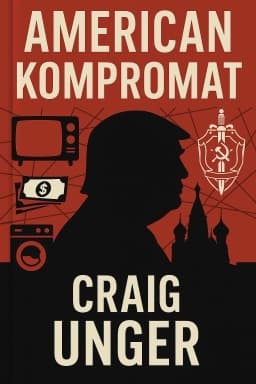
The sordid saga of Jeffrey Epstein is more than a tale of sex trafficking and exploitation; it is a window into a complex web where crime and espionage intersect. Craig Unger’s House of Trump, House of Putin exposes how Russian intelligence operatives infiltrated Epstein’s network, turning it into a source of kompromat—compromising material—on some of the world’s most powerful men.
Russian Penetration of Epstein’s Circle
Russian nationals embedded themselves within Epstein’s operation, using lavish parties, private jets, and luxurious mansions as venues for gathering sensitive information. This infiltration provided Russian intelligence with leverage over elites in politics, business, and technology, enabling influence and blackmail on an unprecedented scale.
Epstein’s Intelligence Connections
Epstein’s ties extended beyond criminal networks to include connections with Israeli intelligence and figures linked to Russian intelligence. This blurred the lines between illicit activities and espionage, suggesting that Epstein’s operation served multiple purposes and masters. The overlap complicates efforts to fully understand and address the scope of these covert influences.
Kompromat and Elite Manipulation
The strategic collection of kompromat has long been a tool of intelligence agencies to control and manipulate influential figures. Epstein’s network provided an ideal environment for such operations, exploiting human vulnerabilities to gather damaging information. This material becomes a powerful weapon in geopolitical and domestic power struggles.
Implications for National Security
The fusion of criminal enterprise and espionage presents a formidable challenge to democratic institutions and national security. Unger’s revelations underscore the necessity for enhanced oversight, transparency, and international cooperation to dismantle these dangerous networks.
Conclusion: Facing the Shadows
Understanding the Epstein connection is essential to grasping the broader context of foreign influence and covert operations in America. It calls for vigilance, accountability, and a commitment to protecting democratic values from shadowy forces that exploit crime and espionage for power.
For further reading, visit: Want to explore more insights from this book?