
Oppenheimer’s Secret World: The Genius, The Bomb, and The Burden No One Saw Coming
Explore the hidden struggles and triumphs behind the making of the atomic bomb—and the man who changed history forever.

Step into the shadowy corridors of history, where brilliance and burden walk hand in hand. J. Robert Oppenheimer, the so-called 'father of the atomic bomb,' was more than just a scientist—he was a mosaic of contradictions, a man whose private doubts and public triumphs would shape the fate of nations.
Born into privilege in New York, Oppenheimer’s early life was a blend of artistic beauty and profound isolation. His mother filled their home with masterpieces, while his father encouraged a relentless pursuit of knowledge. But beneath the surface, young Robert struggled with loneliness, setting the stage for a lifelong search for belonging and meaning.
At Harvard, his mind raced ahead of his peers, devouring philosophy, poetry, and science with equal fervor. Yet, his social awkwardness and deep self-doubt shadowed every achievement. It was in Europe, among the giants of quantum mechanics, that Oppenheimer found both his calling and his demons. Emotional turmoil nearly derailed him—most famously in the 'poisoned apple' incident at Cambridge—but he returned to the U.S. stronger, if not unscarred.
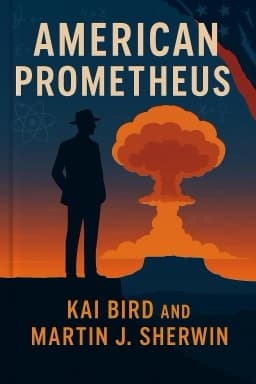
The Manhattan Project was a crucible: secrecy, innovation, and the relentless march of war. Oppenheimer’s leadership at Los Alamos was both inspiring and exacting, forging a community from the world’s brightest minds. The moment the Trinity test lit up the desert sky, humanity crossed a threshold. Oppenheimer’s whispered quote from the Bhagavad Gita—“Now I am become Death, the destroyer of worlds”—echoes through history as both triumph and warning.
But the end of war was not the end of Oppenheimer’s story. Haunted by the devastation of Hiroshima and Nagasaki, he became a voice for restraint, calling for international control of nuclear weapons. His moral reckoning put him at odds with political leaders and made him a target during the Red Scare. The security hearings that followed were a public crucifixion, stripping him of his clearance and influence, yet revealing the depth of his integrity and the cost of dissent.
In his later years, Oppenheimer turned to teaching, mentoring a new generation and reflecting on the lessons of science and ethics. His legacy is a mirror for our own age: a reminder that knowledge is both gift and burden, and that the choices we make with it shape the world we leave behind.
Oppenheimer’s journey is not just history—it is a living question, as urgent now as it was in the atomic age. Will we use our knowledge to build or to destroy? The answer, as Oppenheimer knew, lies within us all.
Want to explore more insights from this book?
Read the full book summary