
Private Anger, Public Outrage: Why Everyday Stress Fuels the Politics of Blame
How Small Anxieties Become Big Movements—and What We Can Do About It

How Small Anxieties Become Big Movements—and What We Can Do About It
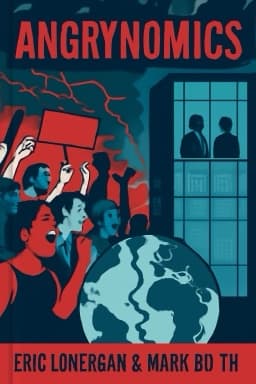
We often imagine anger as a spectacle—marches in the street, viral confrontations, or fiery speeches. But as 'Angrynomics' shows, the roots of public outrage are often deeply private. Every day, millions grapple with micro-stressors: the uncertainty of gig work, the stress of dealing with bureaucracy, the challenge of learning new skills in a fast-changing world. For the elderly, adapting to new technology or losing familiar routines can be especially disorienting.
These daily anxieties build up, creating a sense of frustration and helplessness. When people feel ignored or left behind, they become more susceptible to narratives that blame outsiders—immigrants, elites, or political opponents. Politicians and media, recognizing this, often stoke these feelings for their own ends, turning private anger into public outrage.
The cycle is self-reinforcing: as more people express anger publicly, it becomes normalized, encouraging others to do the same. Social media accelerates this process, amplifying the loudest and most extreme voices. The result is a society where anger is both a personal burden and a collective force.
But there is hope. Lonergan and Blyth argue that by recognizing the sources of private anger—and responding with empathy, policy support, and community—we can break the cycle. Solutions include better mental health care, more secure jobs, and spaces for honest dialogue.
Turning anger into understanding is not easy, but it is essential for a healthier, more resilient society.
References: Blinkist, Developing Economics, Stumbling and Mumbling
Want to explore more insights from this book?
Read the full book summary