
Why Are We So Angry? The Surprising Economics Behind Modern Outrage
How Our Economic System Fuels a World of Outrage—and What We Can Do About It

How Our Economic System Fuels a World of Outrage—and What We Can Do About It
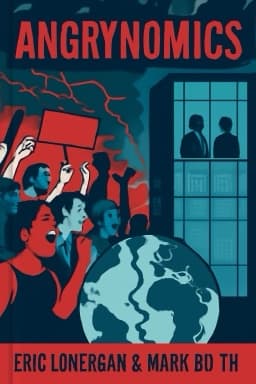
Open any news site or social feed, and you’ll find anger everywhere: in protests, viral videos, and the heated exchanges of everyday life. But why are we so angry? Is it just a matter of bad tempers and social media, or is there something deeper at play? In their provocative book Angrynomics, economist Eric Lonergan and political scientist Mark Blyth argue that much of today’s outrage is rooted in the failures and contradictions of our economic system. Their central claim is deceptively simple: anger is not irrational—it’s a rational response to broken promises and rising insecurity.
Lonergan and Blyth make a crucial distinction between two types of anger. First is moral outrage—the kind that erupts when we see injustice or corruption. This anger can be creative, fueling movements for change and demanding accountability. Think of the civil rights marches, or recent protests against inequality and climate inaction. Then there is tribal anger, which is about defending one’s group against perceived outsiders or threats. This form of anger is often manipulated by politicians and media, turning neighbors against each other and undermining social trust.
But what triggers these powerful emotions? The authors trace the roots back to the cycles of capitalism itself. Every era of capitalism, they argue, eventually breaks down—whether through financial crashes, rising inequality, or the erosion of stable jobs. Each breakdown leaves millions feeling betrayed by a system that promised security and delivered stress. The 2008 financial crisis is a prime example, exposing deep flaws in the system and fueling a wave of resentment that still shapes politics today.
These economic shocks don’t just affect the stock market; they ripple through daily life. As wages stagnate and job security erodes, people experience a constant sense of uncertainty. Lonergan and Blyth call this the 'micro side' of angrynomics: the everyday stress of navigating healthcare, adapting to new technology, or worrying about the future. For older generations, rapid change can feel like being left behind. For younger people, the gig economy offers flexibility but little stability.
What makes all this worse is how politicians and media exploit these anxieties. Instead of offering real solutions, they amplify anger—blaming immigrants, stoking culture wars, and turning economic frustration into political polarization. The result is a world where outrage becomes the default mode, and real dialogue is drowned out by shouting matches.
Yet, Angrynomics is not a book of despair. The authors propose bold, practical reforms: national wealth funds that give everyone a stake in prosperity; new monetary tools to support green investment and full employment; and policies that foster dialogue instead of division. Their message is clear: anger can be a force for progress—if we learn to channel it wisely.
In a world awash with outrage, understanding the economics of anger is the first step toward healing. By recognizing the real sources of our discontent—and working together on solutions—we can turn anger from a destructive force into the energy of renewal. Angrynomics gives us the roadmap.
References: IMF Book Review, Blinkist Summary, Developing Economics Review, Stumbling and Mumbling Blog
Want to explore more insights from this book?
Read the full book summary