
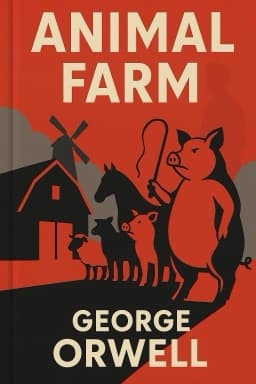
From Barnyard to Boardroom: What Animal Farm Teaches Us About Leadership and Ethics
Business Lessons from the Most Famous Farm in Literature

Business Lessons from the Most Famous Farm in Literature
It might sound strange, but the secrets to great leadership and ethical management are hidden in the pages of Animal Farm. Orwell’s fable is a cautionary tale for anyone who holds power—be it in politics, business, or community life.
The Slippery Slope of Privilege
On Animal Farm, the pigs start with small privileges—milk, apples—justified as necessary for the greater good. In business, ethical lapses often begin the same way: a little extra bonus, a private meeting, a secret deal. The lesson? Transparency is the antidote to corruption.
The Importance of Accountability
Without checks and balances, the pigs become indistinguishable from the oppressors they replaced. In organizations, unchecked leadership leads to groupthink, fraud, and collapse. Regular audits, open communication, and a culture of questioning are crucial.
Listening to All Voices
The tragedy of Animal Farm is the silencing of dissent. The best leaders welcome criticism, encourage debate, and stay grounded in the values that inspired their journey. 3
Learning from Failure
Every organization faces setbacks. The key is not to rewrite the rules to protect those at the top, but to learn, adapt, and keep the mission alive. Ethical leadership is about remembering the original commandments—and making sure everyone knows them by heart.
Conclusion: The True Test of Leadership
In the end, Animal Farm teaches us that leadership is not about power, but about service. The best leaders are those who never forget why they started—and who never stop listening to the needs of their community.
Want to explore more insights from this book?
Read the full book summary