
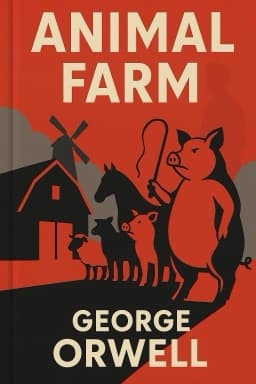
How Animal Farm Predicted the Age of Fake News (And What We Can Do About It)
From Squealer to Social Media: Tracing the Roots of Manipulation

From Squealer to Social Media: Tracing the Roots of Manipulation
Long before hashtags, memes, and viral misinformation, George Orwell’s Animal Farm laid bare the mechanisms of propaganda. Through the character of Squealer, Orwell sketches a blueprint for how those in power can twist language, statistics, and even memory itself to control the masses. Today, we live in a world Squealer would envy—a world where information is a weapon, and truth is up for grabs.
The Original Spin Doctor: Squealer’s Playbook
Squealer’s genius lies in his ability to make the outrageous sound reasonable. 'Sure, the pigs need all the milk and apples. It’s for everyone’s good!' His tactics—repetition, emotional appeals, and outright lies—are echoed in today’s media landscape. Whether it’s a viral tweet or a political speech, the art of persuasion has never been more powerful—or more dangerous. 1
Rewriting Reality: The Changing Commandments
One of Animal Farm’s most haunting images is the slow, secret rewriting of the Seven Commandments. Each change is subtle, plausible, and always justified. In our era, reality can be edited with a few keystrokes. Deepfakes, doctored headlines, and algorithmic feeds reshape what we believe, often without us noticing. The lesson: Just because it’s written doesn’t make it true.
Echo Chambers and the Death of Debate
On Animal Farm, dissent is drowned out by the sheep’s mindless chanting. Online, dissent is often buried by bots, trolls, or algorithmic bubbles. The result is the same: a population that hears only what it already believes. Healthy debate withers. Critical thinking dies. Vigilance is our only defense.
How to Resist: Practical Media Literacy Tips
- Question the source. Who benefits from this message?
- Look for evidence, not just opinion.
- Be wary of emotional manipulation—fear and outrage are tools of control.
- Cross-check facts before sharing.
- Encourage open discussion, not just agreement.
Conclusion: The Battle for Truth Never Ends
Orwell’s Animal Farm is not just a warning about politics—it’s a survival guide for the information age. The tools of manipulation have changed, but the dangers remain. By learning from the animals’ mistakes, we can become smarter, more resilient consumers of information—and maybe, just maybe, keep the wolves from the door. 1 2
Want to explore more insights from this book?
Read the full book summary