
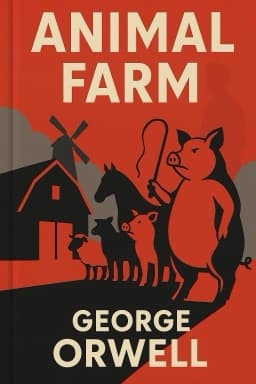
The Secret Language of Animal Farm: Symbolism You Never Noticed
Decoding the Hidden Messages Behind Every Character and Commandment

Decoding the Hidden Messages Behind Every Character and Commandment
Animal Farm is a treasure trove of symbolism. Orwell’s genius lies not just in his storytelling, but in the way every detail resonates with deeper meaning. Let’s walk through the barnyard and decode the hidden language of this literary classic.
Napoleon: The Tyrant in Every Age
Napoleon the pig is more than a character—he’s a symbol of every leader who lets power go to his head. He embodies the rise of dictators, from Stalin to modern autocrats. His gradual shift from ‘comrade’ to ‘master’ is a warning about how easily ideals can be corrupted by ambition.
Snowball: The Idealist Cast Aside
Snowball stands for the dreamers and reformers who are often ousted by those who crave control. His fate mirrors that of Trotsky and countless visionaries who have been exiled by their own revolutions. Through Snowball, Orwell reminds us that good ideas are not always enough to survive the politics of power.
Boxer: The Noble Everyman
Boxer’s strength and loyalty make him a hero, but also a tragic figure. He represents the working class—those who build societies but are often the first to suffer when things go wrong. His fate is a powerful indictment of systems that exploit their most faithful members. 3
The Commandments: Ideals in Decline
The Seven Commandments, painted large for all to see, symbolize the founding principles of any revolution. Their gradual rewriting is a masterful depiction of how rules and rights can be eroded, not in one stroke, but through countless small changes. 4
The Farm: A Microcosm of the World
Every corner of Animal Farm reflects a piece of the real world—from the hopeful fields of the early days to the grim, fenced-in pastures of the end. The changing landscape is a map of the revolution’s journey, from hope to disillusionment.
Orwell’s use of animals and farm life makes the story accessible, but the message is universal: Beware of those who promise utopia, for the seeds of tyranny are often sown in the soil of good intentions.
Want to explore more insights from this book?
Read the full book summary