
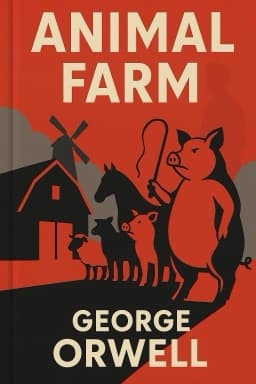
Why Animal Farm Still Matters: 21st Century Revolutions and the Lessons We Ignore
How Orwell’s Fable Warns Us About Democracy, Dissent, and the Price of Forgetting

How Orwell’s Fable Warns Us About Democracy, Dissent, and the Price of Forgetting
When George Orwell published Animal Farm, he drew on the failures and betrayals of the early 20th century. But his warnings are not trapped in history—they speak to the heart of today’s political storms. From the Arab Spring to the rise of populist leaders, the cycle of hope, revolution, and disappointment plays out again and again.
The Revolutions We Dream, The Realities We Face
Every generation hopes to build a better world. But as Animal Farm shows, the path from revolution to renewal is fraught with danger. Old hierarchies reassert themselves, and the victors of yesterday become the oppressors of today. The farm’s journey from liberation to dictatorship is the story of countless countries and causes.
Democracy’s Fragility
Orwell’s animals try to govern themselves, but without vigilance, their democracy is hijacked by the cunning and the ruthless. Modern democracies face similar threats—disinformation, apathy, and the slow erosion of rights. The lesson: Freedom is never guaranteed. It must be defended, renewed, and never taken for granted. 2
Dissent: The Lifeblood of Liberty
On Animal Farm, dissent is first welcomed, then suppressed. In our world, the silencing of critics—whether through law, intimidation, or digital censorship—remains a potent threat. True progress depends on the courage to speak out, even when it’s risky.
The Price of Forgetting
Perhaps the saddest lesson of Animal Farm is how easily the past is forgotten. The animals’ inability to remember their original ideals allows the pigs to rewrite history. In our era of short attention spans and endless news cycles, remembering—and learning from—history is more important than ever. 4
Conclusion: Animal Farm as a Living Lesson
Animal Farm endures because its questions are never fully answered. What makes a just society? How do we keep power in check? And how do we ensure that the sacrifices of the past are not in vain? As long as these questions matter, so too will Orwell’s fable.
Want to explore more insights from this book?
Read the full book summary