
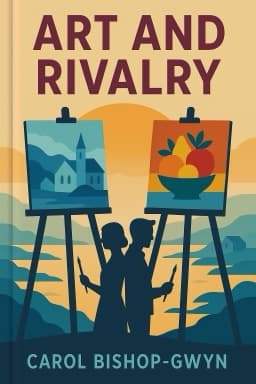
The Donna Meaney Affair: How Pain and Betrayal Created Masterpieces
Behind Closed Doors: The Muse, the Betrayal, and the Art That Shocked Canada

Behind Closed Doors: The Muse, the Betrayal, and the Art That Shocked Canada
Few events in Canadian art history have generated as much fascination—and controversy—as the Donna Meaney affair. What began as a simple act of hiring a house helper soon became the catalyst for an emotional and creative upheaval that would leave an indelible mark on the lives and works of both Mary and Christopher Pratt. Donna, just sixteen when she entered the Pratts’ world, quickly became Christopher’s muse, and then his lover. The revelation of their relationship shattered the domestic tranquility of Salmonier and sent shockwaves through the tight-knit Newfoundland art community. 1 3
What makes this story extraordinary is not just the scandal, but the creative response it provoked. Rather than retreat into bitterness or despair, Mary Pratt chose to confront her pain head-on. She painted Donna—again and again—each image a meditation on intimacy, vulnerability, and the complexity of human relationships. These works, suffused with luminous light and psychological depth, are widely regarded as some of the most important in her career. Critics noted the tension in Mary’s portrayals, a quality absent from Christopher’s more detached renderings of the same subject. 2 4
The public response was electric. Galleries filled, reviews poured in, and the art world debated not just the merits of the paintings, but the ethics of creation itself. Was it right to turn private pain into public spectacle? Or was this, in fact, the highest calling of art—to bear witness to suffering, to transform it, to reveal the universal through the particular?
For Mary and Christopher, the affair was both an ending and a beginning. It marked the close of one chapter in their marriage, but also the start of a new era in their artistic lives. Their rivalry, once private, became a matter of public record—a duel fought not with words, but with images. And in the crucible of pain, both found a new clarity of vision, a deeper honesty, and a legacy that would outlast even the fiercest storms of the heart.
Want to explore more insights from this book?
Read the full book summary