
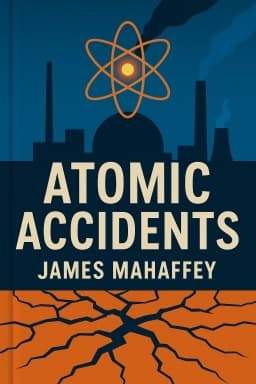
From Radium to Reactors: The Untold Story of Radiation’s Silent Impact
Tracing the journey of radiation from mysterious discovery to a double-edged sword in modern technology.

Radiation’s story begins not in a bustling city lab, but in a shadowy cave where hunters in the late 1800s unknowingly inhaled deadly radon gas, suffering mysterious injuries. This invisible menace marked the first recorded radiation injury, a silent prelude to the atomic age. Around the same time, brilliant inventors experimenting with high-voltage tubes observed ghostly images of bones cast on walls—early x-rays that would revolutionize medicine but also expose pioneers to dangerous doses of radiation.
Meanwhile, the discovery of radium introduced a glowing substance that captivated the public and industry alike. Radium’s luminous paint found its way onto watch dials, promising to light the night. But the glow masked a deadly secret. Workers who applied radium paint ingested tiny amounts daily, leading to severe health problems and deaths. This tragedy highlighted the urgent need for understanding radiation’s biological effects and protecting those exposed.
These early experiences laid the groundwork for the nuclear revolution. The invisible dangers of radiation forced scientists and society to grapple with a new kind of hazard—one that could not be seen or felt but could cause profound harm. The lessons learned from these early injuries informed safety protocols and shaped public attitudes toward nuclear technology.
As nuclear science advanced, the balance between harnessing radiation’s power and mitigating its risks became central. The journey from radium’s glow to the control rooms of nuclear reactors is a testament to human curiosity, resilience, and the ongoing quest for knowledge. Understanding this history helps us appreciate the complexities of nuclear technology and the importance of vigilance and respect for the invisible forces at work.
Sources: Wikipedia - Nuclear and radiation accidents and incidents; World Nuclear Association - Safety of nuclear power reactors; DHS - History of nuclear accidents 1 3 4
Want to explore more insights from this book?
Read the full book summary