
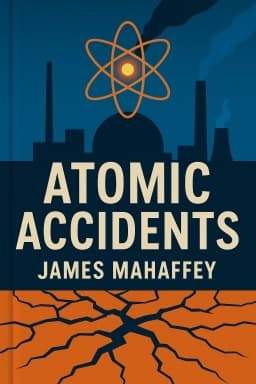
The Hidden Dangers of Nuclear Power: What They Didn’t Tell You About Radiation and Accidents
Unveiling the invisible threats behind nuclear power’s most infamous disasters and what they mean for our future.

Nuclear power is often hailed as a miracle energy source—clean, efficient, and capable of powering entire cities without the carbon emissions of fossil fuels. Yet beneath this promise lies a history marked by invisible dangers and catastrophic accidents that have shaped public perception and policy for decades.
The story begins in the late 1800s when radiation was first discovered—an invisible force that could penetrate flesh and bone, yet remain unseen and misunderstood. Early pioneers suffered burns and illnesses without knowing the cause, as radon gas in caves and radium paint in consumer products silently wreaked havoc. These early incidents foreshadowed the profound challenges humanity would face in harnessing nuclear energy safely.
Fast forward to World War II, where the race to build atomic weapons accelerated nuclear science. Secret cities like Oak Ridge emerged, processing uranium with little awareness of the lethal risks. Criticality accidents—where a single neutron could trigger a deadly chain reaction—claimed lives even among the brightest scientists. The first atomic bombs unleashed unprecedented destruction on Hiroshima and Nagasaki, marking the dawn of the atomic age and the beginning of an uneasy coexistence with nuclear power.
Post-war, nuclear technology shifted towards peaceful applications. Power plants were built worldwide, operating essentially as advanced steam engines fueled by nuclear fission. Yet, the risks remained. Early accidents like the NRX meltdown in Canada and the infamous Three Mile Island partial meltdown in the U.S. exposed vulnerabilities in design and human oversight. The Chernobyl disaster, caused by flawed reactor design and unsafe testing, released massive radiation, causing long-term environmental and health damage that still reverberates today.
In 2011, nature reminded us of its power when a devastating earthquake and tsunami disabled critical safety systems at Fukushima, leading to meltdowns and hydrogen explosions. The disaster highlighted the fragility of even modern nuclear plants to unforeseen natural events and the complexities of emergency response and evacuation under radiation threat.
Throughout these events, the interplay between human judgment and machine automation has been pivotal. While automated safety systems are designed to prevent accidents, human operators sometimes override them, for better or worse. Training, safety culture, and communication are essential to navigate the unpredictable challenges of nuclear power operation.
Radiation itself remains the invisible elephant in the room. Its unseen presence fuels fear, often disproportionate to actual risk, complicating public acceptance of nuclear power. Understanding the different types of radiation, their effects, and the long-term challenges of radioactive waste management is crucial to informed discussion and policy.
Thankfully, lessons from history have led to improved engineering, multiple redundant safety systems, and international cooperation aimed at preventing future disasters. Emerging technologies promise safer, more efficient reactors and a vital role for nuclear energy in combating climate change.
In the end, nuclear power’s story is one of awe-inspiring potential shadowed by sobering risks. It challenges us to respect the power we wield, to learn from the past, and to collaborate globally for a safer, sustainable energy future. Only through knowledge, vigilance, and transparency can we harness the atom’s promise without repeating history’s mistakes.
Sources: Wikipedia - Nuclear and radiation accidents and incidents; World Nuclear Association - Effects of nuclear accidents; DHS - History of nuclear accidents 1 2 4
Want to explore more insights from this book?
Read the full book summary