
How Autonomous Vehicles Could Make Cities Greener, Safer, and More Human
The Surprising Ways Driverless Cars Will Heal Our Cities

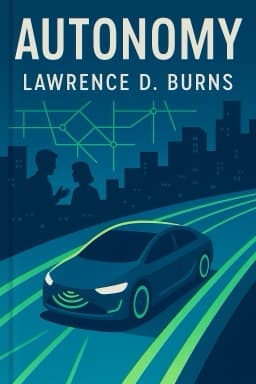
Imagine stepping onto a city street where the air is clean, the roads are safe, and children play where cars once parked. The promise of autonomous vehicles is not just fewer accidents or faster commutes, but the chance to redesign our cities for people, not machines. As 'Autonomy' and other mobility experts reveal, AVs could help solve three of the biggest urban headaches: pollution, traffic deaths, and wasted space.
Human error causes 90% of crashes; AVs, with their tireless sensors and split-second decision-making, could save thousands of lives each year. Electric fleets will slash emissions, helping cities meet climate goals and reduce asthma rates. And with fewer cars needed, vast parking lots and garages can be reclaimed for homes, shops, and green spaces.
But the benefits go beyond the environment. Autonomous mobility can make cities more inclusive, giving the elderly, disabled, and underserved access to affordable, reliable transportation. Urban planners are already reimagining communities where streets are for people, not just traffic.
Of course, challenges remain: regulations, ethical questions, and the need for public trust. But with careful planning, the autonomous revolution could make our cities not just smarter, but kinder and more livable for all.
Sources: Autonomy: The Quest to Build the Driverless Car—And How It Will Reshape Our World, Bookrunch, AI Startups, Sanfoundry 1 2 3
Want to explore more insights from this book?
Read the full book summary