
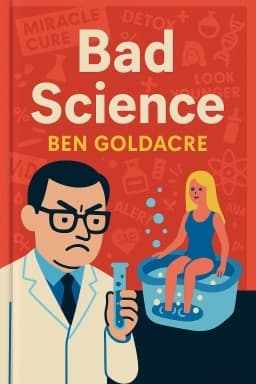
Exposing the Myths: How 'Bad Science' Unmasks the Illusions We Believe
Discover the hidden truths behind popular health fads and learn how to think critically about science claims.

In a world saturated with health fads and miracle cures, it's easy to fall prey to claims that sound scientific but lack any real evidence. The book 'Bad Science' by Ben Goldacre takes readers on an eye-opening journey through the labyrinth of pseudoscience, revealing the tricks and illusions that make these claims so convincing.
Another fascinating insight involves the misuse of neuroscience jargon in educational programs like Brain Gym. Children are taught exercises that supposedly stimulate brain function through anatomically impossible movements.
The cultural persistence of detox rituals and pseudoscientific practices reflects a deep human desire for renewal and control over health. Goldacre highlights how these practices exploit the 'hassle barrier,' making it difficult for consumers to question complex claims.
Through engaging examples and clear explanations, 'Bad Science' empowers readers to question appearances, seek evidence, and appreciate the power of the scientific method. This foundation prepares us to critically evaluate health claims and resist the allure of pseudoscience.
As we delve deeper into the book’s themes, we will explore how media sensationalism, cognitive biases, and marketing strategies further complicate our understanding of science and health.
Want to explore more insights from this book?
Read the full book summary