
School Counselors or Secret Therapists? The Hidden Impact of SEL in Education
How Social-Emotional Learning Is Transforming—and Complicating—American Classrooms

How Social-Emotional Learning Is Transforming—and Complicating—American Classrooms
Walk into any American classroom today, and you’re likely to see a new ritual: the emotions check-in. Children hold up cards or emojis to show how they feel, while teachers and counselors jot notes, ready to intervene. Social-emotional learning (SEL) is now as common as math or reading, and its influence is growing.
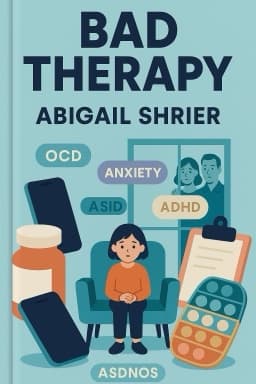
Abigail Shrier’s Bad Therapy explores the double-edged sword of SEL. On one hand, these programs can help children process emotions, build empathy, and feel supported. On the other, they risk turning teachers into amateur therapists, blurring the line between education and mental health care. 4
One of the book’s most eye-opening revelations is that in many states, students can access in-school counseling without parental consent. While this policy aims to ensure that children in crisis get help, it also raises ethical and practical questions. Who decides when a child needs therapy? How are parents kept in the loop? And what happens when emotional support takes priority over academics?
SEL programs often encourage group sharing of personal struggles, which can be healing for some but uncomfortable or even harmful for others. Not all children are ready—or willing—to discuss private pain in a public setting. Shrier warns that overemphasis on feelings can distract from academic goals and sometimes increase anxiety by prompting children to focus excessively on their emotions.
For parents, navigating the SEL landscape means asking tough questions: What is being taught? How are emotional issues handled? Is there a balance between support and privacy? Shrier suggests that schools should prioritize academic excellence, involve parents in mental health decisions, and ensure that emotional interventions are evidence-based.
SEL is here to stay, but its impact depends on how it’s implemented. By striking the right balance, schools can support children’s well-being without sacrificing their education—or parental rights.
SEO Keywords: social-emotional learning, SEL controversy, school therapy, mental health in schools, counselor ethics
Want to explore more insights from this book?
Read the full book summary