
The Trauma Trap: How Expanding Definitions Are Changing Childhood
Why Resilience Is More Common Than You Think—And Why That Matters

Why Resilience Is More Common Than You Think—And Why That Matters
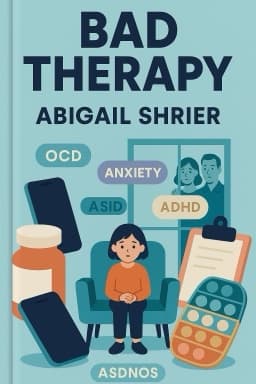
In today’s culture, 'trauma' is everywhere. Schools teach about Adverse Childhood Experiences (ACEs), social media is full of trauma-informed advice, and therapy offices are busier than ever. But as Abigail Shrier’s Bad Therapy points out, the definition of trauma has expanded so much that it now covers everything from bullying to bad grades. 2
This expansion has a cost. Children are taught to see themselves as fragile, and even minor setbacks are framed as wounds requiring professional intervention. Yet, research consistently shows that most children are naturally resilient. Given time, support, and opportunities for autonomy, they recover from adversity and go on to thrive. 1
The trauma narrative is not just academic—it shapes policy, parenting, and therapy. Popular trauma experts warn that trauma is everywhere and that everyone needs therapy to heal. But this message, repeated in schools and media, can make children feel less capable of handling life’s normal ups and downs.
Shrier argues that by focusing so much on trauma, we risk undermining children’s confidence and agency. Instead, she calls for a renewed emphasis on resilience. Parents and teachers can help by encouraging risk-taking, celebrating effort, and allowing children to experience and overcome failure. Community support—mentors, coaches, extended family—also plays a vital role.
Practical steps include limiting therapy to those who truly need it, teaching coping skills, and resisting the urge to medicalize every struggle. By trusting in children’s natural capacity to heal, we can foster a generation that is not just safe, but strong.
In the end, the trauma trap is a cultural story we can choose to rewrite. By believing in resilience, we give children the tools they need to face life’s challenges—and to grow into confident, capable adults.
SEO Keywords: trauma narrative, childhood resilience, trauma definition expansion, adverse childhood experiences, resilience research
Want to explore more insights from this book?
Read the full book summary