
Therapy Overload: Are We Pathologizing Childhood?
Examining the Unintended Side Effects of America’s Therapy Boom

Examining the Unintended Side Effects of America’s Therapy Boom
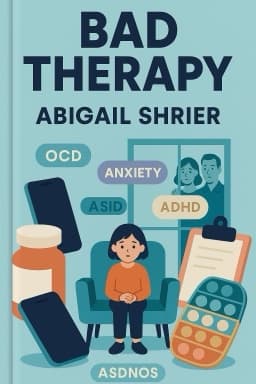
America’s mental health revolution has produced a paradox: while awareness and access to therapy have never been higher, so too are rates of anxiety, depression, and psychiatric medication among children. Abigail Shrier’s Bad Therapy asks the tough question: are we helping, or are we making things worse? 2
It starts with good intentions. Parents, teachers, and policymakers want to protect children from pain. Therapy is offered for everything from social anxiety to the stress of starting kindergarten. Yet, as Shrier and many experts point out, therapy is not a benign folk remedy. Up to 20% of clients—children included—experience negative side effects, from increased anxiety to dependency and even family estrangement. The phenomenon of iatrogenesis, harm caused by the healer, is rarely discussed in the mainstream. 1
Children are especially vulnerable. Their identities are still forming, and they are eager to please adults. When a therapist labels a child as anxious or depressed, that label can become a self-fulfilling prophecy. Kids may start to see themselves as fundamentally broken, or become reliant on professional help for every setback. Shrier shares stories of children who, after months of therapy, became more anxious or alienated from their parents—sometimes because therapists, in their zeal to help, encouraged a narrative of victimhood or family dysfunction.
4
Schools have embraced the therapeutic model, with daily social-emotional check-ins, mindfulness exercises, and in-school counseling. While these programs can be supportive, they also blur the lines between education and therapy. Teachers are increasingly expected to monitor emotions, spot trauma, and refer children for treatment. In some states, minors can access therapy at school without parental consent—a well-meaning policy that raises ethical and practical questions.
Not every child who struggles needs therapy. Research shows that most children are naturally resilient, and that ordinary adversity can be a powerful teacher. Over-diagnosis and unnecessary therapy may undermine that resilience, teaching kids to see themselves as fragile and in need of constant support. 2
What’s the solution? Shrier advocates for a return to common sense. Therapy should be reserved for those who truly need it, and parents should be encouraged to trust their instincts. Schools should focus on education first, and ensure that emotional support doesn’t come at the expense of academic growth or parental involvement.
The therapy boom has brought important benefits, but it also carries hidden costs. By recognizing the limits of therapy and the power of resilience, we can help children grow into stronger, more independent adults—without pathologizing every part of childhood.
SEO Keywords: child therapy risks, therapy overload, childhood diagnosis, mental health overdiagnosis, therapy side effects
Want to explore more insights from this book?
Read the full book summary