
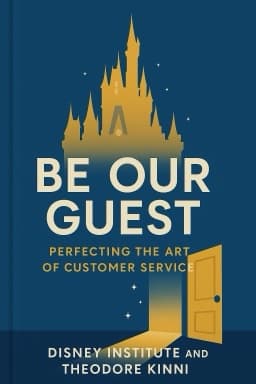
Step Into the Story: The Art and Science of Disney’s Immersive Settings
How Disney’s meticulous attention to detail transforms spaces into captivating worlds.

Disney parks are not just amusement parks; they are meticulously crafted worlds where every detail speaks. From the texture of the pavement to the scent in the air, Disney uses environmental design to immerse guests fully in the story.
One of the ingenious design elements is the berm, a landscaped hill that surrounds the park and blocks out sights and sounds from the outside world. This physical barrier helps guests feel transported into another reality, free from distractions.
Architectural styles shift smoothly from one themed land to another, guiding guests through stories without jarring transitions. Visual landmarks, such as Cinderella Castle, act as navigational beacons and emotional focal points. Directional signage and color coding subtly orient guests, while ambient sounds and scents deepen sensory engagement.
Maintaining this immersive environment requires relentless attention. Even a misplaced trash can or faded paint can break the illusion. Disney’s commitment to cleanliness, repairs, and consistent theming ensures guests remain enchanted throughout their visit.
These principles remind us that environment is a powerful communicator. Thoughtfully designed spaces can tell stories, influence moods, and guide behavior, enhancing every aspect of the guest experience.
With the stage set, the next chapter explores the processes that keep the magic flowing smoothly behind the scenes.
Want to explore more insights from this book?
Read the full book summary