
Memes, Emoji, and Gifs: The Visual Language Revolution You Didn’t Know You Were Part Of
How pictures, loops, and inside jokes became the new universal language.
How pictures, loops, and inside jokes became the new universal language.
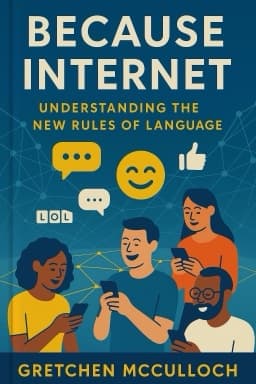
Scroll through any group chat, social feed, or comment section, and you’ll see it: a riot of faces, hands, looping gifs, and memes that say more than words ever could. According to Gretchen McCulloch’s Because Internet, what we’re witnessing is a visual language renaissance—one that’s making digital communication as expressive, playful, and human as face-to-face conversation.
Emoji are the new facial expressions and hand gestures. Despite thousands of options, the most popular emoji are the ones that mimic real-life feelings: smiles, tears, clapping, and thumbs up. They add warmth, soften misunderstandings, and say what words sometimes can’t. Gifs take things further, serving as digital body language—a silent applause, a dramatic eye roll, or a shared laugh looping endlessly in the chat.
Memes: The Wildflowers of Internet Culture
Memes are the ultimate in-group joke, evolving at the speed of light and breaking every rule in the book. A misspelled caption, a surreal image, or a familiar template can carry layers of meaning known only to those in the know. Memes are more than entertainment—they’re cultural time capsules, preserving the spirit, anxieties, and humor of our times for future generations.
Restoring Gesture and Emotion
For centuries, writing was stripped of gesture and emotion. The internet changed all that, letting us add back the smiles, shrugs, and winks that make conversation come alive. Visual language bridges gaps between cultures, generations, and even languages, making it possible to connect with almost anyone, anywhere.
The Future Is Visual—and You’re Already Fluent
Whether you’re a meme master or just learning the difference between 😂 and 🤔, you’re part of a global movement. Visual language is constantly evolving, shaped by collective creativity and the universal desire to connect. So next time you send a gif or share a meme, remember: you’re not just keeping up with the times—you’re reviving one of humanity’s oldest, most powerful ways of communicating.
Want to explore more insights from this book?
Read the full book summary