
Why Living in the Present Moment is the Ultimate Secret to Happiness (And How to Master It)
Explore how embracing the eternal Now dissolves anxiety and unlocks timeless peace.

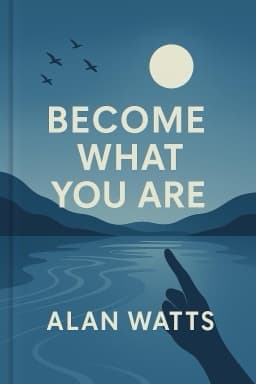
Picture a calm lake under a full moon, its surface reflecting the stars and the soft glow of night. A figure meditates quietly on the shore, immersed in the eternal Now. This scene embodies a truth echoed by sages across cultures:
Though we often think of the past and future as separate realities, they are in fact mental constructs arising within the present moment. Our memories and anticipations unfold here and now, making the Now the only true reality accessible to us.
The Tao, described as both eternally moving and eternally resting, illustrates the harmony of opposites that exists in the present. Like the lake’s surface rippling gently while reflecting the unchanging moon, the present moment holds both change and stillness simultaneously.
Living fully in the present means letting go of clinging to what was or worrying about what might be. It invites us to embrace life as it unfolds, responding spontaneously and with openness.
Mindfulness practices cultivate this awareness, helping us recognize the eternal Now amidst the flux of experience. As we align with this truth, anxiety fades and a deep peace emerges — a peace not dependent on external conditions but rooted in the very fabric of existence.
By embracing the present moment as infinite and eternal, we step into harmony with the Tao and awaken to life’s true nature.
Want to explore more insights from this book?
Read the full book summary