
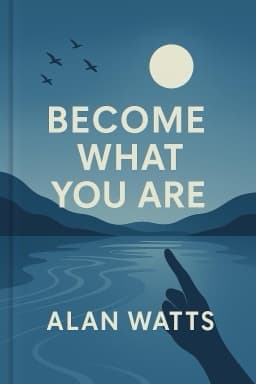
Wu-Wei: The Ancient Taoist Secret to Effortless Success You’ve Never Heard Of
Discover how doing less can actually help you achieve more through the art of wu-wei.

Imagine a river flowing gently through a lush forest, its waters gliding smoothly over stones worn by centuries. A person drifts downstream in a small boat, moving effortlessly with the current. This image perfectly captures the essence of
Wu-wei is not laziness or passivity; it is the art of acting in harmony with the natural rhythms of life, without forcing or striving. It means responding spontaneously and appropriately to each moment, allowing actions to arise naturally rather than through willful effort.
Common mistakes include deliberate imitation—trying to force oneself to act 'correctly'—and deliberate relaxation, where one tries to relax with effort. Both miss the point, as true wu-wei transcends all goal-oriented effort.
Practicing wu-wei reduces stress and enhances effectiveness because it aligns personal action with the flow of circumstances. Like water flowing downhill, it finds the path of least resistance, achieving results without unnecessary struggle.
By embracing wu-wei, we learn to let go of control and trust in the natural unfolding of events, discovering a freedom and joy beyond striving.
Want to explore more insights from this book?
Read the full book summary